


Analog vs. Digital Two-Way Radios: When is it Time to Upgrade?

Your warehouse supervisor keys up his radio. He needs to report a forklift breakdown. Through static and noise, you catch maybe half the message. You walk over to ask what happened. Twenty minutes have gone by. Now you've got a safety problem.
This happens more often than managers admit. It's daily life with aging analog systems in tough work settings.
We've installed radios across Ontario for nearly three decades. We've watched countless teams struggle with poor audio. Limited range creates problems. Noise issues stack up—issues that analog simply can't fix. Digital mobile radio (DMR) systems cut through noise. They keep work flowing, even in harsh settings.
Upgrading isn't always the right move, though. The choice depends on your needs. It depends on your budget. It depends on daily work demands.
How Analog and Digital Radios Work
The core difference starts with signal processing.
Analog systems work like older AM/FM radios. They turn your voice into radio waves. Those waves are picked up by other units. You hear exactly what those waves carry. All the noise comes through. All the static. All the interference.
Digital systems take a different path. They convert voice into data bits. They compress that information. Then they send it as digital signals. The receiving radio rebuilds your voice from these bits. It filters out most noise in the process.
This gap in signal handling creates very different results. The difference shows up clearly in real work settings.
Where Analog Falls Short Today
Challenges built into analog technology become clear in demanding environments.
Audio quality drops as distance grows. Interference increases. What starts as clear communication slowly becomes garbled. Workers move farther from repeaters. They run into noise from machines. They hit interference from electronics or other radio traffic nearby.
We've seen this play out in distribution centres where forklift operators can't communicate clearly once they reach the far end of the warehouse—right where they need coordination most.
Range limits create dead zones. Communication fails without warning. Many warehouse operations have analog signals that can't penetrate dense metal racking. Basement storage areas stay out of reach. These coverage gaps force supervisors to walk messages across facilities.
Privacy doesn't exist with analog. Anyone with a basic radio scanner can listen in. No barriers. No protection. For firms handling sensitive information or security operations, this creates real concerns.
Channel capacity limits growth. Most analog systems handle only a few simultaneous conversations. Channels get jammed. Growing operations quickly hit these hard limits.
The Digital Edge in Real Conditions
DMR technology directly addresses the problems that hurt analog systems.
Audio quality stays clear. Signal strength changes don't matter. Digital systems maintain crisp, easy-to-understand communication. They work right until signals become too weak to connect. There's no slow fade. Communication either works clearly or it doesn't.
Coverage reaches further. Digital signals push through building structures better. They hold steady connections in tough RF environments. Think hospitals with thick concrete walls. Manufacturing plants with heavy metal equipment. High-rise buildings with complex layouts. These are the spaces where analog has always struggled.
Advanced features change teamwork. Text messaging lets you communicate silently when voice isn't appropriate. GPS tracking shows real-time locations of all team members and equipment. Emergency alert functions ensure fast response when someone needs help. Integration with dispatch systems creates smooth workflows that analog simply can't support.
Spectrum efficiency doubles capacity. Digital systems support roughly twice as many users simultaneously. Same frequencies. More conversations.
Built-in encryption protects sensitive communication. No extra equipment needed. No user hassles. The security happens automatically. It stays invisible to users.
What Upgrading Actually Costs
Your financial decision involves more than comparing equipment prices.
Digital radios cost more upfront than analog units. However, the total cost must account for many factors beyond the initial purchase.
Operational savings offset higher investments over time. Clearer communication cuts costly delays. It prevents mix-ups that waste time and materials. GPS tracking improves routing and resource allocation. Better coverage often eliminates the need for additional repeater sites.
Maintenance costs drop with modern systems. Today's digital radios deliver greater reliability. They typically need less service than aging analog equipment.
Futureproofing protects your investment. Analog radio technology has stopped advancing. Digital platforms keep improving. New features emerge. Integration with other systems gets better.
Technical Signs You Need to Upgrade
Several clear issues signal when analog systems have reached their limits.
Coverage gaps persist despite added repeaters. This points to fundamental signal limitations. If dead zones continue despite your best efforts, digital's superior signal penetration may be your only real solution.
Interference problems keep getting worse. This typically shows spectrum congestion in your area. It shows RF environment changes around your facilities. Digital technology's superior interference rejection can restore reliable communication even in these tough conditions.
Ongoing audio complaints from field staff. These show underlying signal problems that analog can't overcome. Poor communication quality creates safety risks. It creates operational inefficiencies that compound over time.
Capacity limits stop you from adding users. You can't add needed channels. This clearly demonstrates the need for digital's better spectrum efficiency.
When Different Industries Need Digital
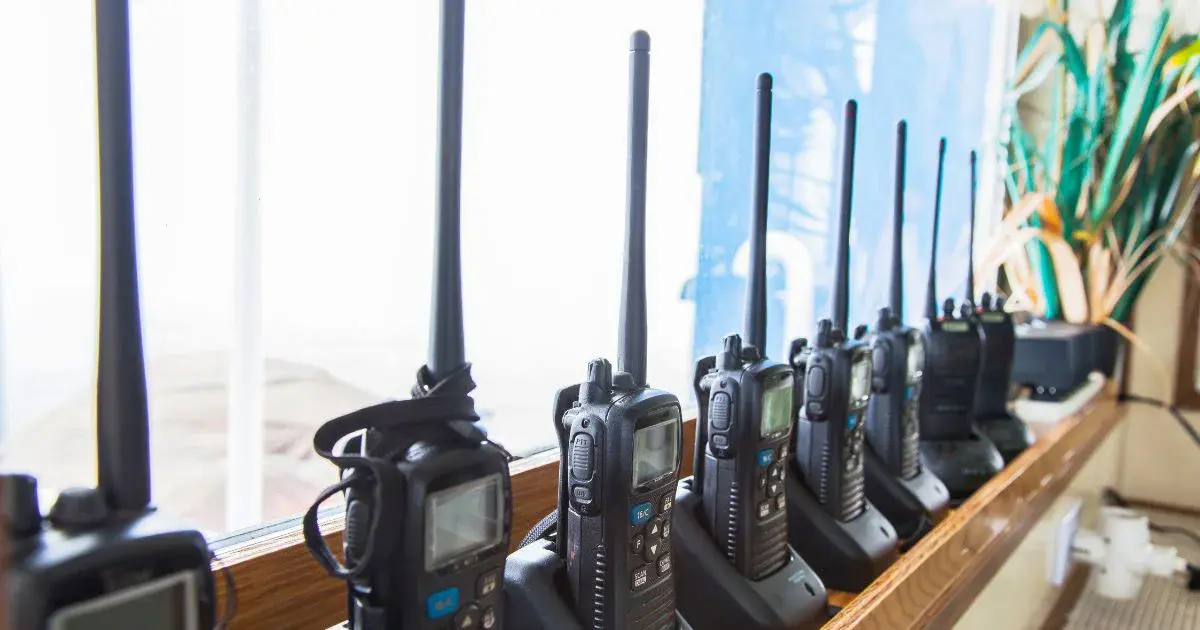
Manufacturing plants gain major benefits from rugged digital radios like the MOTOTRBO Ion. Noise levels make analog communication nearly impossible. Digital noise suppression keeps messages clear even above machinery sounds. We've installed systems in automotive plants where the press shop alone would drown out any analog signal—but digital cuts through without issue.
Healthcare facilities need dependable communication throughout buildings with challenging RF propagation. Digital systems maintain connections in stairwells. They work in basement levels. They function in areas with heavy interference from medical equipment. The XPR series handles these environments particularly well.
Transportation fleets see major gains from GPS tracking and text messaging. Load updates stay current. Wide-area coverage extends reliably. These features measurably improve dispatch efficiency. They improve driver safety in ways analog can't replicate. Learn more about how two-way radios reduce driver distraction in fleet operations.
Public safety requires encryption. It requires dedicated emergency features. It requires cross-agency integration that only digital systems provide. The CRTC's 2025 Communications Market Report highlights how reliable communication infrastructure serves as a critical foundation for emergency services across Canada.
Security teams depend on encrypted communication. They need precise location tracking for effective coordination. Analog's complete lack of privacy features creates real vulnerabilities.
Construction sites demand rugged equipment with advanced safety features. Man-down detection. Emergency alerting. Digital systems include these life-safety capabilities as standard features. Discover how digital mobile radio improves hospital security response with similar emergency features.
Smart Ways to Make the Switch
Well-planned upgrade paths avoid work disruption. They deliver immediate real benefits.
Phased rollout allows gradual transition from analog to digital. Start with critical departments. Start with high-priority locations to prove value quickly. Then expand step by step as staff become comfortable with the new technology.
Hybrid operation using dual-mode radios like the MOTOTRBO XPR series enables teams to keep communicating throughout extended transitions. These radios work seamlessly on both analog and digital modes. They enable truly gradual migration.
Training programs ensure staff grasp new capabilities. They can use equipment effectively from day one. Digital systems offer more sophisticated features than analog ever could. Focused education becomes essential for getting optimal results.
System integration with existing infrastructure maximizes your technology investment. Modern digital systems connect with phone systems. They connect with computer networks. They connect with other business tools to create enhanced functionality beyond basic radio communication.
Making the Right Choice
Your specific upgrade decision should depend on your unique work situation. Don't follow general industry trends. Don't just accept vendor recommendations.
Assess your current pain points honestly. Consider their operational impact. Are communication failures causing safety issues? Are they causing costly delays? Are they creating team frustration? Document specific problems that better technology could solve.
Evaluate your growth plans carefully. Will your operation expand in ways that demand enhanced communication capabilities? Consider future needs alongside current requirements. This prevents upgrading twice within a short timeframe.
Calculate total costs. Include equipment purchases. Include professional installation. Include thorough staff training. Include ongoing support. The lowest initial purchase price rarely delivers the best value across the full operational lifecycle.
Consider compatibility with other business systems. Digital mobile radio platforms integrate substantially better with modern business tools. They position you well for future technology developments.
Why Professional Assessment Matters
Upgrading communication systems affects daily operations for years to come. Professional evaluation helps ensure you make the right choice for your specific environment. It addresses your unique requirements.
RF coverage studies identify signal propagation challenges. They determine optimal equipment placement throughout your facilities. These technical assessments prevent expensive mistakes and ensure reliable coverage where your teams actually work.
System design consultation addresses integration requirements. It addresses future expansion needs. Professional planning creates scalable solutions. These solutions grow smoothly alongside your operation.
The ISED (Innovation, Science and Economic Development Canada) frequency coordination process requires specialized technical expertise for optimal results. Proper frequency selection prevents problems. Careful coordination with other spectrum users prevents interference issues that could cripple your investment.
MRC Wireless provides full assessment and professional design services for organizations considering communication system upgrades. Our experienced team evaluates your existing infrastructure. We identify improvement opportunities. We design practical solutions that address your operational needs.
Ready to Evaluate Your Communication Needs?
Choosing between analog and digital depends entirely on your operational requirements. It depends on budget constraints. It depends on growth plans. While digital technology offers superior performance in most demanding situations, the right solution must match your needs. It must match your working environment.
If persistent communication problems affect your operation's performance, now is the time for professional evaluation. Poor audio quality doesn't fix itself. Frustrating coverage gaps don't improve on their own. System capacity constraints only get worse as you grow.
Contact us today to schedule a full assessment of your current communication infrastructure.
We'll work with you to determine whether upgrading makes sense for your situation. Then we'll design a practical solution. One that improves daily operations. One that protects your technology investment for years to come.