


Minimizing Driver Distraction with Push-to-talk Two Way Radios

Every time a driver reaches for a phone, the risk of an incident increases. In high-speed environments like logistics, transit, or emergency response, even a short lapse in attention can lead to costly and sometimes catastrophic outcomes.
More and more fleet-based operations are turning to two-way radios. Unlike phones or tablets, two-way radio systems for drivers are built for one thing: safe, direct communication. One button. No extra steps. No wasted time.
This post explores how push-to-talk communication reduces driver distraction, why hands-free tools matter, and how wireless communication for drivers is evolving to meet today’s operational demands.
Why Phones Create Dangerous Distraction Behind the Wheel
Radios are built for multitasking—phones are not. That’s a key difference. Even when using hands-free phone accessories, drivers still divide their focus between driving and device interaction. Unlocking screens, searching for contacts, or managing apps takes attention off the road.
This is a problem across commercial fleets. Missed turns, delayed responses, and poor coordination can all stem from a momentary distraction. In some cases, that moment is enough to cause real harm.
In contrast, two-way radios eliminate unnecessary steps. Drivers press a single button and speak directly to dispatch or other vehicles. No searching. No signal wait. Just clear, instant communication.
The Simplicity of Push-to-talk Communication
Push-to-talk communication isn’t a new concept, but it’s still one of the most efficient. A driver presses to speak, releases to listen. That’s it. There’s no time wasted unlocking a phone or navigating call screens.
The difference becomes obvious in time-sensitive situations. A snowplough adjusting its route mid-storm. A transit driver reporting a hazard. A logistics crew confirming a delivery delay. With cell phones, each action adds seconds. With radios, there’s no wait.
Two-Way Radio Systems for drivers are designed with this speed in mind. Messages go out instantly and reach multiple users at once. That level of efficiency simply isn’t possible with phone-based systems.
Hands-Free Communication Tools That Keep Drivers Focused
Modern two-way radio systems offer more than just push-to-talk. They also include hands-free communication tools that improve safety in motion. Drivers can operate radios without ever lifting their hands from the wheel.
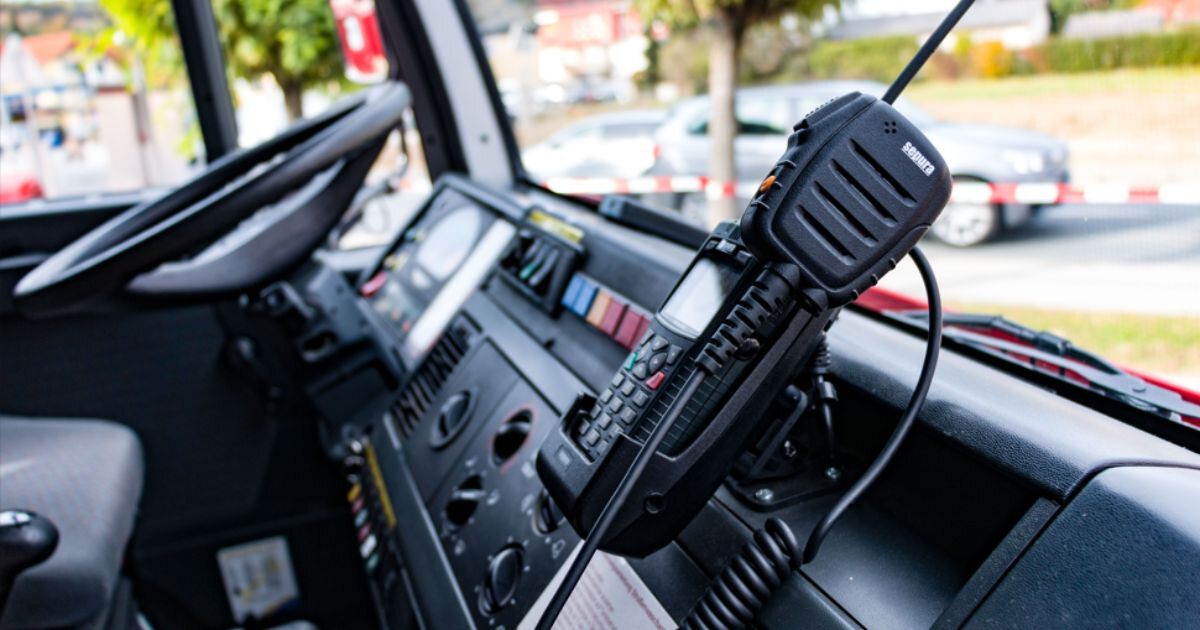
Options include speaker microphones, Bluetooth earpieces, foot pedals, and vehicle-mounted control heads. These tools minimize physical interaction while maintaining full voice access to dispatch or team members.
In industries where reaction time matters, this matters. Wireless communication for drivers should never pull focus from the road. Hands-free tools are a practical and safe way to support ongoing coordination without increasing distraction.
Why Radios Outperform Consumer Devices in the Field
Phones are built for convenience. Radios are built for reliability. That’s the distinction that matters in fleet environments.
Battery life is one key difference. Smartphones running navigation and multiple apps often fail to last a full shift. Professional two-way radios, however, routinely deliver 12 to 16 hours of performance per charge.
Durability is another factor. Radios are tested to withstand vibration, dust, moisture, and heat—conditions that damage or disable phones. Radios function in rain, snow, or rough terrain without compromising clarity or safety.
Audio performance is also superior. Radios with advanced noise cancellation allow clear communication in loud environments like construction zones, engine bays, or open roads. Miscommunication drops. Efficiency rises.
And in emergencies, radios offer something phones don’t: dedicated emergency buttons. These features allow drivers to alert dispatch instantly—no dialling, no apps, no delays.
Industry Use Cases: Radios in Action
The benefits of two-way radios are most visible in real-world applications. Across industries, they’ve become essential to safe, efficient field operations.
Transportation and Logistics
Delivery drivers using two-way systems can receive last-minute updates, route changes, and traffic alerts in real time. Instead of pulling over to read a message or take a call, they respond quickly and stay on schedule.
Dispatchers can broadcast to entire fleets at once, ensuring consistent messaging and fewer delays. In operations where timing is critical, this unified communication model makes a measurable difference.
Manufacturing and Warehousing
When production schedules shift, everyone needs to be informed at once. Radio systems allow managers, drivers, and warehouse staff to coordinate instantly. Delays in communication can shut down lines or create safety risks.
By using push-to-talk communication, plant supervisors can quickly respond to incidents, reroute deliveries, or initiate safety protocols without ever leaving the floor.
Field Services and Construction
In remote areas or construction zones, cell coverage is often unreliable. Two-Way Radio Systems for Drivers operate independently of carrier networks, ensuring steady communication even in dead zones.
Radio systems also keep utility teams coordinated during storms, when mobile networks can fail entirely. These teams use radio tools to report outages, organize repair routes, and stay connected despite severe weather.
Supporting Seasonal Operations and Mobile Teams
Seasonal industries depend heavily on reliable mobile communication. Landscapers, snow contractors, and outdoor service providers operate across broad areas where schedules shift quickly, and service calls require fast response.
Radios give these teams the flexibility to adjust in real time. When a snowstorm intensifies or a site becomes inaccessible, dispatchers can redirect crews immediately. Equipment issues, client updates, and route changes all happen over the air—no need for phones or in-person check-ins.
Mobile teams using lightweight portables like the MOTOTRBO R2 stay connected without relying on patchy cell service. These radios are designed for rugged outdoor use and deliver clear audio even in harsh weather or noisy environments. For smaller seasonal crews, DTR700 radios offer a compact, easy-to-use option with digital clarity and one-touch communication—ideal for short-range team coordination without the complexity of larger systems.
When coverage needs to stretch across multiple towns or districts, teams using Fleet Connect gain wide-area Push-to-talk capabilities and GPS tracking without depending on cellular apps. This flexibility ensures fast, coordinated response no matter the terrain or conditions.
For crews managing multiple sites per day, radios streamline scheduling and reduce time lost to coordination errors. Efficiency improves without sacrificing driver focus.
Public Safety and Emergency Operations
Public safety agencies have long trusted two-way radios for mission-critical communication. These systems are built to operate when others fail during network outages, disasters, or security threats.
Campus security, emergency medical teams, and transit authorities use two-way radio systems to coordinate safe responses across large areas. Messages reach the right people instantly, and emergency features provide backup when seconds count.
These organizations choose radios not for convenience, but for reliability under pressure. That same logic now applies to private sector fleets that value safety, clarity, and operational control.
Choosing the Right Wireless Communication for Drivers
Selecting a radio system requires understanding your operation’s size, structure, and geographic range. Some businesses need local coverage between a few vehicles and a home base. Others require wide-area communication across cities or even provinces. Systems like Fleet Connect provide scalable, GPS-enabled coverage for mobile crews that span regions.
Compatibility with existing systems is another factor. Integration with GPS, dispatch software, or emergency protocols allows radio networks to work seamlessly with your current tools.
Cost planning matters too. Radios are an investment, but professional installation, training, and service plans reduce long-term maintenance costs. Scalability allows businesses to start small and expand as their needs grow.
Implementation: From Install to Daily Use
Effective radio systems depend on more than the devices themselves. Proper installation and training are key.
Mounting radios safely inside vehicles protects drivers and ensures proper signal strength. Professional installers position antennas and route cabling to minimize interference and prevent hazards.
Training ensures drivers use the system confidently. Topics like radio etiquette, emergency usage, and group call protocols help standardize communication practices and reduce confusion in high-stakes moments.
Ongoing maintenance keeps the system dependable. Preventative service catches issues before they impact safety or performance. A well-maintained radio network becomes an invisible asset—always on, always reliable.
Radios as Part of a Bigger Safety Strategy
Two-way radios work best when they’re part of a full driver safety program. Communication is just one element of reducing risk on the road. Regular driver meetings, policy refreshers, and documented safety practices build a culture of awareness.
When radios are used consistently and properly, they support clear expectations and faster decision-making.
Metrics matter. Tracking driver incidents, communication gaps, or missed alerts helps managers evaluate the system’s performance. That data informs improvements over time. A successful wireless communication setup for drivers doesn’t just enable contact, it reinforces accountability and coordination at every level.
Long-Term Value of Two Way Radios in Fleet Operations
Purpose-built radio systems do more than prevent distraction—they streamline entire operations. Teams become more agile, more consistent, and more prepared to respond under pressure.
Consumer phones aren’t designed for this level of reliability. Two-way radios eliminate distractions, deliver faster messages, and offer built-in safety features that support operational control.
With push-to-talk communication and hands-free communication tools, radios help fleets meet today’s challenges and tomorrow’s growth with confidence.
MRC Wireless Helps You Keep Drivers Focused
Clear communication isn’t just about convenience. It’s a frontline safety tool that helps prevent delays, confusion, and avoidable risk. Upgrading to two-way radios gives drivers instant access to the information they need, without the distractions that come with phones or tablets.
Whether you're managing a small local fleet or coordinating across multiple regions, wireless communication for drivers improves focus, response time, and day-to-day control. Two-way radio systems for drivers support compliance, efficiency, and real-time coordination, especially when conditions are unpredictable. Operations stay connected and ready for anything on the road or in the field.
If your current system isn’t meeting safety or coordination needs, MRC Wireless can help design a solution that fits your fleet.
Get in touch to explore the best-fit radio system for your drivers, your routes, and the real-world conditions your teams face every day.