


How Digital Mobile Radio Improves Hospital Security Response
When a security incident unfolds in a hospital, fast and private communication can make the difference between solving it or making it worse. From violent outbursts to missing patients, security teams need tools that help them respond in real time without drawing attention or relying on weak cell signals.
But it’s not just about emergencies. Hospital staff also need to coordinate routine tasks, handle sensitive information, and move between departments without delay. Every second counts, and any communication breakdown can ripple across the entire facility.
That’s where digital mobile radio helps. Built for speed, clarity, and coverage, it’s now a key part of every hospital communication system. In this post, we break down how digital radios help improve hospital emergency response, reduce delays, and support staff safety across every shift.
The Communication Demands of Hospital Security
Hospitals are complex places to manage security. Unlike factories or city worksites, they include public spaces, medical emergencies, and staff moving between many departments. Security teams need to act fast but stay discreet, whether handling a fight, stopping someone from entering a restricted area, or managing a lockdown.
Many hospitals still use older tools like consumer walkie talkies, overhead paging, or mobile phones that often lose signal in stairwells or basement levels. These gaps slow things down and break up hospital staff communication when teams need it most.
Digital mobile radio fixes this by giving teams clear, secure communication that works instantly, without signal issues.
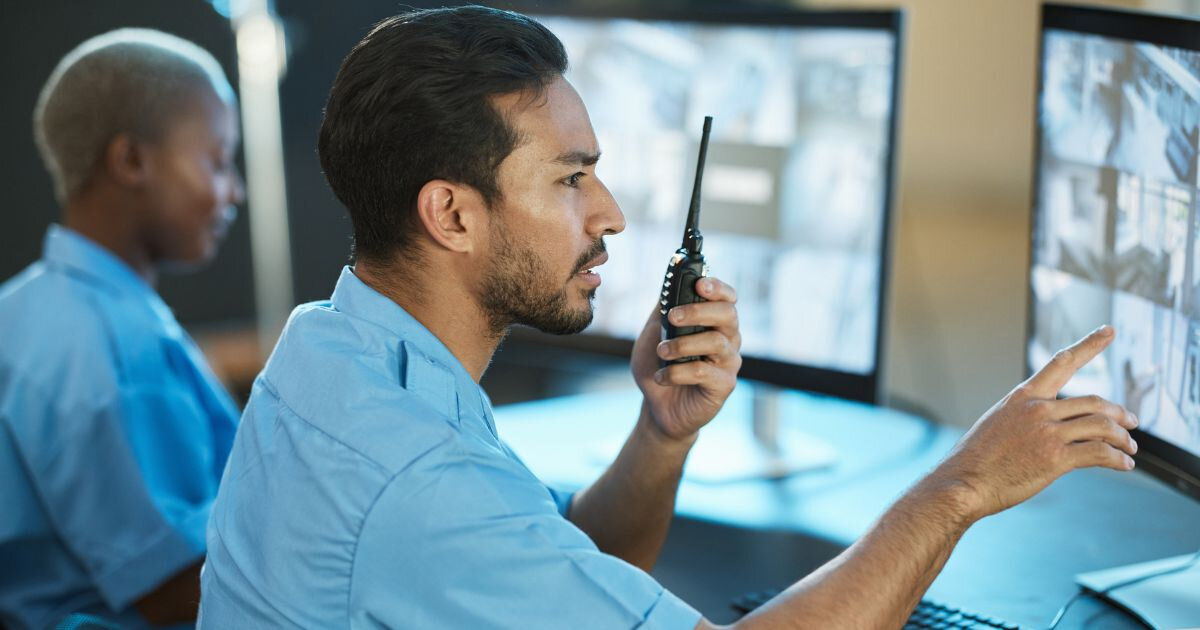
Why Digital Mobile Radio Works in Hospital Environments
Digital mobile radio systems are engineered for high-demand, mission-critical settings. Here’s how they support fast, safe responses in healthcare facilities:
Instant, One-Touch Communication
With push-to-talk functionality, security officers can alert teammates or supervisors immediately. There’s no need to dial, wait, or risk missed calls. In emergencies, every second counts.
Discreet and Encrypted
Many hospital incidents need quiet, low-key communication. Digital radios send clear audio without drawing attention, and staff can use earpieces to keep conversations private. Encrypted channels stop outsiders from listening in, helping protect patient privacy and the way teams respond.
Reliable Coverage Throughout Facilities
Cell phones often lose signal in places like basements, stairwells, radiology areas, or operating rooms. Digital mobile radios, especially when paired with Distributed Antenna Systems (DAS) are built to keep coverage strong throughout the building, even in hospitals with tunnels, skyways, or underground areas.
This steady coverage matters during emergencies like code blues or security threats. Radios give teams instant access to communication channels without dealing with apps, menus, or weak signals.
Prioritized Group Messaging
During a code response or evacuation, clear group communication is a must. Radios let hospitals set up talk groups by job (like security or nursing), by location (like the ER or parking lot), or by purpose (like emergency-only use). Supervisors can break in when needed, making sure the most urgent updates are heard.
Phones can’t do this. Alerts can be missed, delayed, or hidden.
Common Communication Challenges in Hospitals
Many hospitals rely on outdated communication tools that fall short under pressure. Understanding these gaps helps clarify why digital mobile radio is becoming a standard part of the hospital communication system.
Overhead Paging Limits
While useful for general announcements, overhead paging can disrupt care environments and compromise privacy. It’s often too loud for sensitive areas and too quiet for loud zones. And once a page is sent, there’s no back-and-forth—just hope that someone heard it.
Digital radios, by contrast, offer two-way voice contact with specific teams or individuals, allowing for confirmation, clarification, and escalation as needed.
Phone Tag and Missed Messages
When nurses or managers use mobile phones, communication often falls apart. Missed calls, voicemail loops, and unread messages slow things down, especially during busy times or shift changes. Radios solve this by keeping key teams connected on one shared channel, without delays or confusion.
Coverage Dead Zones
Cell signals often fail in radiology rooms, basements, or older areas built with brick or concrete. This creates problems during hospital emergencies when security or maintenance teams need to respond fast. Digital mobile radios don’t rely on cell networks and can use indoor systems to cover every hallway, room, and floor.
Real-World Response Scenarios

Here’s how digital mobile radio helps hospital security respond quickly and clearly:
Patient Elopement
If a patient leaves a secure area without warning, fast action is key. A security officer can use a digital radio to alert all zones at once. This starts a coordinated search right away, without the need for phone calls or delays.
Violent Incidents
If a nurse calls for help in the ER or a behavioural unit, officers nearby get the message right away. With radios, they can respond together, share location updates, and stay in contact during the event. Everyone joins the same channel to report what’s happening, call for backup, or start a lockdown if needed.
Access Control Breaches
If someone forces open a door to a restricted area, digital mobile radios let teams send alerts instantly. In some hospitals, radios even connect to door alarms or sensors, sending automatic messages when there’s a breach.
Lockdowns and Drills
During a lockdown drill or real emergency, command staff use radios to guide staff movement and check if areas are covered. Radios help test emergency plans without disrupting care. Over time, this builds team confidence and keeps roles clear when real situations happen.
Supporting Hospital Staff Communication Beyond Security
Security teams use radios the most, but many other hospital departments rely on them too. Facilities and maintenance staff use radios to manage cleaning, fix equipment, or handle building issues—no overhead paging needed.
Patient transport teams check in as they move between floors. During drills or real emergencies, radios help teams guide movement and stay safe.
Hospitals also use radios to support environmental services teams that handle cleaning, waste, and laundry. With radios, these teams can get cleaning requests right after a patient leaves or report supply problems without leaving their floor.
In food service, radios help staff send trays on time and adjust meals for last-minute changes or discharges.
When radios are part of the hospital communication system, they cut down on background noise and make sure updates reach the right people. This also means fewer overhead pages and a calmer space for patients.
Choosing the Right Digital Mobile Radio Setup
Every hospital has different needs based on building size, staffing levels, and incident response protocols. The right system depends on:
- Coverage – Will a simple repeater system work, or is a full DAS needed for below-ground or multi-building facilities?
- Encryption – Are privacy and security a legal requirement for your communications?
- Group management – Do you need talk groups, private calls, or dispatch control?
- Hardware preferences – Do staff need slim, lightweight radios like the SL3500e, or more rugged models like the MOTOTRBO R7 with advanced noise-cancelling?
Larger campuses often opt for wide-area tools like Fleet Connect, which support Push-to-Talk over LTE with GPS tracking, text alerts, and extended coverage—ideal for hospitals that include separate wings, external parking zones, or even ambulance services.
Building a Safer, More Responsive Hospital Environment
Digital mobile radio is a key part of safer, smarter hospital operations. When hospitals use too many disconnected tools, communication gets fragmented. Radios bring teams together, help staff respond faster, and lower the chance of missed messages that can lead to serious problems.
They also help future-proof hospital communication. Unlike personal tech that changes often, professional radio systems are built to last. They’re designed to follow safety rules, work with other systems, and grow as the hospital expands. Many radios can connect with alarms, door controls, or dispatch software, creating a complete response setup.
Hospitals that invest in strong communication don’t just fix problems faster. They also reduce noise, improve patient experience, and help staff feel more supported at work. That confidence matters in high-pressure jobs where focus and quick thinking are key.
More hospitals now see that communication is part of patient safety—not just day-to-day operations. When systems are easy to use and always working, teams respond faster and feel more prepared.
That confidence shows in how staff report issues, help patients, and support each other. A strong radio system helps teams stay clear, calm, and in control.
Ready to Improve Hospital Emergency Response?
In a hospital, every second matters, and communication should never be the weak link. If your current hospital communication system relies on outdated phones, patchy Wi-Fi, or unclear protocols, it may be time to upgrade.
MRC Wireless works with hospital security leaders, IT departments, and operations teams to design reliable, facility-wide systems tailored to your exact environment. Whether your focus is on daily coordination or full-scale hospital emergency response, we help you implement the right digital mobile radio tools for your staff.
From encrypted handhelds and group communication channels to wide-area coverage with GPS and emergency alerting, we build solutions that fit the way your teams actually work. If you're ready to reduce response times, improve hospital staff communication, and support a safer environment across every shift, get in touch to start building a system that’s ready for anything.