


Why Public Safety Dispatchers Use Avtec Scout for Communication
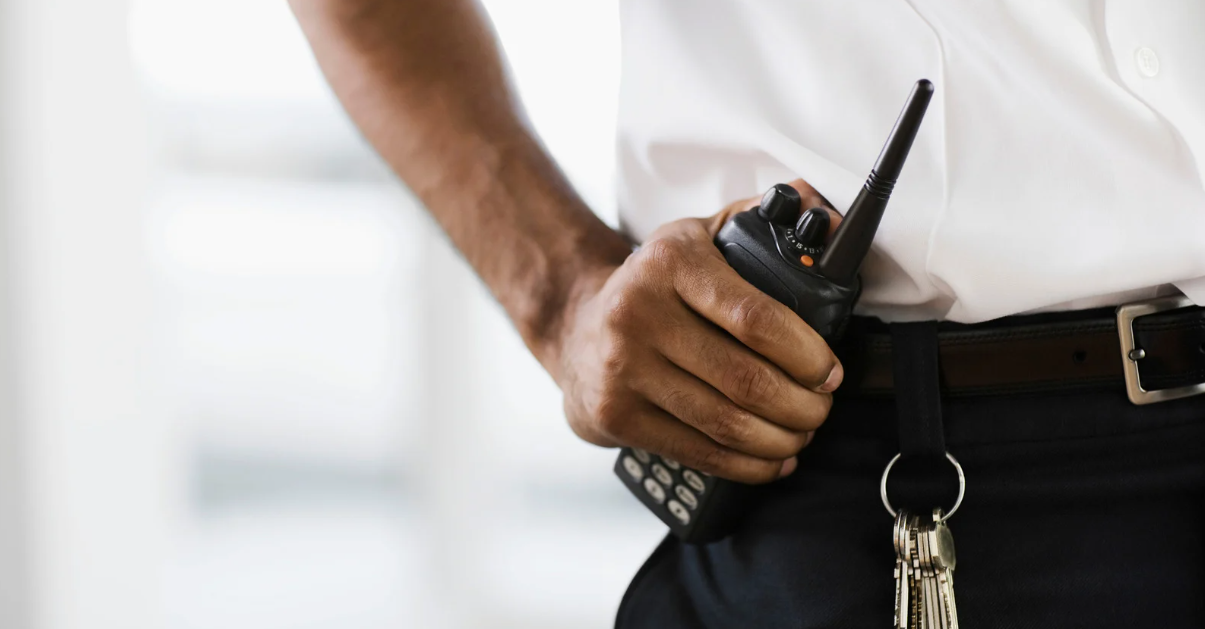
Plenty of dispatch desks in Southwestern Ontario have a second radio sitting beside the console. It arrived when a new channel needed monitoring and no console position was left. A control station went onto the desk permanently.
Years later, the dispatcher still swivels between two devices during an incident. The seconds that costs have never shown up in a report, because nobody has ever measured them. That desk is where an Avtec Scout dispatch console enters the conversation.
Dispatch centres get judged on radio coverage and on staffing levels. The console in front of the dispatcher goes unexamined until an incident forces the issue.
The Second Radio on the Desk is Telling You Something
Every new resource has to land somewhere. A new fire channel, a public works talk group, a phone line to the neighbouring service. All of it arrives years after the console was specified.
When the console has no room, that resource lands as another device or another phone line. Console capacity gets set at purchase, and the setup survives because replacing it means a purchasing conversation.
That pattern holds across municipal operations from Kitchener out to London. New dispatchers learn the two-device routine as part of the position.
The cost sits in the relay, because a dispatcher repeating traffic by voice adds seconds to every transmission. Multiply that across a working fire, and it stops being a rounding error.
It also adds a chance to get a word wrong under pressure, though on routine calls nobody notices. During a structure fire with mutual aid crews on a separate system, those seconds land on the incident commander.
Traffic on that second radio usually sits outside the console's recording path, so it never reaches the logged audio. Training becomes harder too, because half the desk runs on habit rather than documentation.
What a Dispatch Console Actually Does with Your Channels
A console is software and a gateway, not a radio. Scout runs as a pure IP system, so the gateway translates radio, telephone, and broadband traffic onto one network. That's radio over IP doing the work underneath, and each endpoint appears on the dispatcher's screen as a button.
Patching radio channels from a dispatch console joins two separate resources into one talk path. Traffic crosses from one system to the other without a dispatcher repeating it manually. A Scout position supports up to five patches at once, with up to eight members in each. The dispatcher builds the patch, then goes back to the call-in front of them.
That's different from tying two repeaters together permanently, since a console patch gets built for an incident and dropped afterward. That keeps routine traffic where it belongs. Fire ground crews don't want public works chatter on their channel on a slow afternoon.
One dispatcher can monitor dozens of channels this way, select the one that matters, and transmit on it. The network layer underneath is the part most operations managers already know well. Our walkthrough of how a trunked radio system works covers how channels get assigned on that side.
Why Mutual Aid is Where Consoles Fail First
Neighbouring services rarely run matching systems. One department sits on conventional VHF, the next runs a trunked system, and the regional service may be on P25.
Each was a reasonable purchase in its own budget year, approved without anticipating a joint response later.
Public Safety Canada treats communications interoperability as a national priority. A federal, provincial and territorial strategy and action plan sit behind it. The framing that matters at a dispatch desk is the everyday one. Interoperability applies to routine calls, not only to the incidents that make the news.
Radio interoperability between agencies is where the console either does its job or exposes itself. How it reaches each system decides what's possible.
Scout connects to P25 systems through a standard interface called CSSI. It reaches conventional and trunked ASTRO systems through a control station instead. Control stations are non-IP devices, so the gateway handles them over a serial connection. Those connection methods differ, and the distinction surfaces the first time somebody requires a patch.
Departments tend to learn this after the purchase order clears. The first mutual aid call needing a patch is when somebody finds the console can't build one.
The procedure side gets skipped just as often, so a patch built overnight by a lone dispatcher needs rules.
Who can authorize one, and which channels may be joined, belongs in writing beforehand. So does the point at which the patch comes down. Our piece on why public safety relies on trunked systems covers why those systems became the standard for shared response.
A Console Won't Fix Coverage You Don't Have
A console patches what reaches it, so a portable that can't hit the repeater from a stairwell stays unreachable. So does a crew working the far corner of the county. The dispatcher gets a cleaner screen and identical dead air.
Plenty of console conversations should start with an RF coverage study instead. Sometimes the console turns out to be the cheaper half of the problem. Sometimes it's the right purchase two years out, and the antenna work is the one for this year.
Which of those applies isn't something anyone settles from a spec sheet. It takes a site survey, and an honest look at where calls go quiet. That answer doesn't always arrive in time for the budget cycle that prompted the question.
What the Avtec Scout Dispatch Console Connects To
Scout is built to operate with equipment from other manufacturers. Legacy and next-generation radio, telephony, recording, and broadband and LTE technologies all run on the one platform. For a centre carrying gear from several purchasing generations, that matters more than any single feature.
A dispatch console for a MOTOTRBO radio system has a clear answer here. Motorola Solutions positions Avtec Scout as the official radio dispatch console for MOTOTRBO systems. It connects to ASTRO P25 systems through CSSI.
Conventional and trunked radio, telephony, and push-to-talk over cellular all land on the same screen. The MOTOTRBO connection runs over wireline or wireless, depending on how the site is built.
The screen itself gets configured to the workflow. A centre replacing an older console can mirror the layout dispatchers already know. That shortens the retraining most supervisors dread. Fixed and mobile positions both work, which matters for a service that sets up a command post at a scene.
On a busy night that means one dispatcher holding fire ground, a mutual aid channel, and two phone lines.
They patch the two radio resources together and keep phone traffic separate, then drop the patch when the incident closes. None of it requires a second device.
The architecture is redundant by design. Scout comes in four Enterprise models, E1, E4, E8, and EX, that mix and match. Pool licensing lets a centre add positions without buying a whole system again.
Motorola covers software updates and security patching through ScoutCare and Avtec Protect, with post-warranty maintenance under the same programme. It includes administrator training for centres that would rather service the system themselves.
Licensing, Recording, and the Costs That Arrive Later
A console project usually starts a licensing task, and most centres don't budget for the second one. An ISED radio licence names the frequencies, the location or radius of operation, and the power level. Licences run a one-year term.
Modifications during the year carry their own fees, and adding radios or relocating a station are listed examples. A new resource on the console can send you back through ISED licensing mid-project. Talks with existing licence holders stretch that timeline further in crowded bands.
Console quotes typically arrive ahead of a budget deadline, while the licensing and antenna work runs separately.
Ontario winters take outdoor tower work off the table for months at a stretch. A centre approving a console before winter may not have the radio side ready until spring.
Recording is the other cost that arrives late. Scout works with logging recorders from several partners, storing audio alongside metadata such as radio IDs and phone numbers. That connection only proves itself months afterward.
Somebody requests the recording from a specific incident, and the file either exists or it doesn't. A console change that quietly drops one channel from the recorder won't announce itself on any shift.
Where to Start When the Desk Has Grown Sideways
Count the relays first, tallying every time over one month that a dispatcher repeated traffic by voice between two systems. That number tends to surprise whoever signs off on budgets. It also turns public safety dispatch communication in Ontario into a number a director can weigh.
Then inventory what the desk carries, including every radio resource, phone line, and device that isn't the console. Anything outside the console is either a resource it couldn't take, or one nobody moved over. Either answer tells you what the console is missing, and the second is worth checking before you assume the first.
The coverage question comes last, and it determines the sequencing. A centre with solid RF and a full console has a console problem. A centre with dead zones has something else, and the console purchase can wait a cycle.
If your dispatchers still relay traffic between two radios, book a console and coverage review with our team. We'll map what the desk carries now, and what it can't.