


Which Two-Way Radios and Headsets Do Film Crews Actually Use?
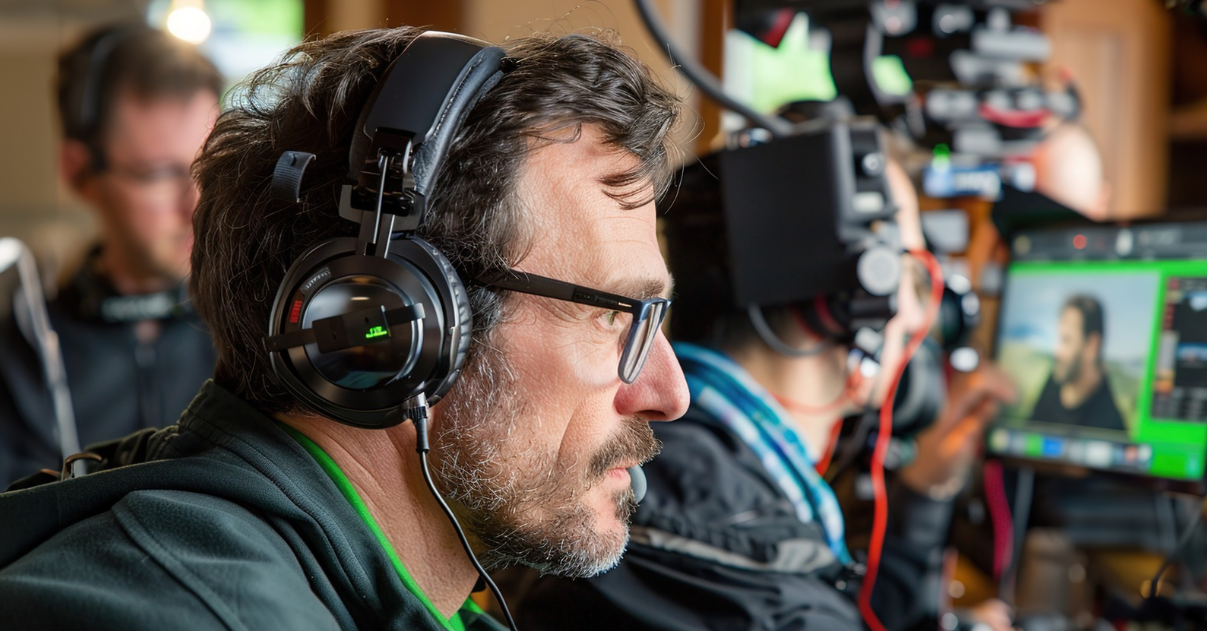
A gaffer wears cheap radio headsets during a 14-hour shoot and quickly discovers the limitations. By mid-shift, earpieces hurt. The microphone picks up shirt noise instead of voice. By day's end, the crew stops using the radios completely.
Better equipment costs more to rent, but losing crew efficiency costs much more. When shooting stalls because crew can't coordinate, production delays compound quickly. Small equipment problems become big production disasters.
This is the critical choice production coordinators face when picking radios for a film shoot. Film production requires specific radio features that differ significantly from construction sites or emergency services. Get the equipment wrong and the entire day becomes progressively more difficult.
Why Film Production Demands Different Equipment
Film sets require crew to communicate across multiple radio channels simultaneously. The camera team occupies one channel while sound operates on another. The AD (Assistant Director) runs a dedicated line for actors and takes. Grips and electricians need to reach each other without stepping on camera talk.
The production office maintains connection to set. Department heads sometimes need a private channel. That structure differs from construction sites running two or three channels.
A camera operator doesn't need to hear grip decisions. Sound doesn't monitor AD timing. When decisions affect multiple departments, information needs to reach everyone. Communication failures become costly since time translates directly to money.
The cost difference between cheap and production-grade radios is small. But communication failure on set becomes expensive. A blown take because the crew didn't coordinate clearly costs a reset, and every department pays for it.
The Headset Problem Nobody Talks About
Cheap headsets fail after just a few hours of continuous use. The earpiece creates a dead zone where critical information becomes inaudible. You miss the director's instructions or call time changes. The microphone picks up shirt noise instead of a clear voice.
On exterior locations, transmitted signals can become unclear in wind. The PTT button requires awkward fumbling to press. Crew members begin muting themselves unnecessarily. These small frustrations accumulate across a long shooting day.
Real production headsets solve these problems through deliberate engineering. The earpiece curves behind the ear, positioning the speaker directly into the ear canal. The boom microphone points at the mouth and maintains distance from clothing noise. The PTT button sits positioned where pressing it becomes automatic.
The cable routes under the shirt, keeping the microphone stable. A gaffer wearing a headset throughout a long day notices every design advantage. By mid-shift, crew typically stop trusting poorly designed equipment. By the end of the day, people resort to hand signals instead.
Durability matters because production equipment endures rough handling. Cables fray after repeated bending and pulling. Earpieces crack if stepped on or sat on accidentally.
IP ratings under IEC 60529 tell you what an enclosure resists. The first digit covers solid objects and dust; the second covers water. MOTOTRBO portables carry IP57, which Motorola rates for one metre of fresh water for thirty minutes. Ask a rental house for the rating rather than the word waterproof.
Battery Life and Channel Load
Film production radios operate continuously throughout the entire day without extended rest periods. Channels remain open constantly and handle continuous traffic from multiple departments. This differs fundamentally from emergency services with quiet periods between calls. Cheap radios drain batteries rapidly under sustained continuous use like this.
Published battery figures assume a 5-5-90 duty cycle, meaning five percent transmitting, five percent receiving, ninety percent idle. Film production doesn't work that way. Channels stay busy, and radios transmit well past five percent of the day. Cold weather and constant transmission shorten runtime further.
The SL300 is rated at 12.5 hours analog and 15 digital on that duty cycle. Those are real numbers for a quiet day, not yours. Ask which battery a quoted runtime was measured on, because most radios offer more than one. Then ask how many spares come with the rental.
What Actually Survives a Production Day
Experienced film crews develop strong opinions about which radios work in practice. They know which headsets fit securely and remain in place throughout long shooting days. They know which radios survive being dropped on concrete. They understand which channels remain clear in urban environments with competing radio traffic.
Certain models become standard because they perform reliably. Others disappear from rental houses because they fail predictably. A crew that rents regularly builds that knowledge across many productions.
A crew new to film production typically learns through experiencing mid-shoot failures. DMR (digital mobile radio) provides substantially better sound clarity compared to analog systems. Digital also supports roughly twice as many users on the same frequencies.
Digital technology keeps channels separated and maintains cleaner audio. The DMR standard comes from the European Telecommunications Standards Institute. It divides a 12.5 kHz channel into two alternating time slots. With a repeater coordinating those slots, one channel carries two conversations at once, without licensing more spectrum.
The trade-off requires that crews understand how to set up and program digital systems. Some rental companies handle this programming for you. Others expect production coordinators to handle it themselves, which can create problems.
Regional Considerations for Ontario Productions
Ontario productions face specific environmental challenges. Toronto experiences dense radio traffic from construction, emergency services, and other productions. Equipment must handle interference without losing clarity on critical channels. Rural shoots present different challenges with lower signal density and dead zones.
Which of those you're dealing with is a question you can answer before booking. An on-site RF coverage study maps signal across a location and reports back where it drops. On a multi-day shoot at a fixed location, that beats finding out during a take.
Weather creates problems throughout the year. Spring and fall bring temperature swings affecting battery performance. Summer heat stresses equipment during outdoor shoots. Winter cold affects battery capacity and startup time.
Equipment engineered for Ontario's climate needs specialized construction. A dealer with depots in Kitchener, Stratford and London can swap a failed unit inside a shooting day. That matters when a radio dies at lunch, and the nearest replacement is hours away.
The Ontario production community is closely connected through professional networks. Equipment recommendations spread rapidly through location managers and coordinators. A reputation for reliable radios develops quickly, as does a reputation for equipment that fails mid-shoot.
Rental vs. Ownership for Productions
Most film productions choose to rent equipment rather than purchase because the financial math makes sense. A three-day shoot doesn't justify purchasing radios that sit unused between projects. A recurring production or television series begins to justify ownership. Rental companies specializing in film production understand these operational needs because they support productions regularly.
They maintain equipment engineered for production use rather than general applications. They offer channel programming and headset selection designed for crew coordination. The rental cost exceeds basic equipment. But it removes the risk of selecting the wrong equipment for your needs.
Some productions attempt to economize by renting cheap equipment from general houses. This works until equipment fails mid-production. A communication failure costs more than the modest rental price difference. A frustrated gaffer spends energy troubleshooting rather than focusing on lighting.
An AD struggles to coordinate when crew cannot hear clearly. Producers typically cannot afford equipment problems during active shooting. The modest savings on cheap rentals disappear quickly if equipment fails.
Common Mistakes Production Coordinators Make
Many coordinators assume basic radios work fine for film. That assumption fails under production stress. What works for construction doesn't transfer, because film runs under a degree of time pressure that construction doesn't.
A construction crew stops and waits when communication fails. A film crew keeps paying for cast, crew and location while waiting. Another mistake is underestimating background noise on set. Wind noise can overwhelm cheap microphones on exterior shoots.
The boom operator holding the film's microphone can create interference. Equipment trucks may generate electromagnetic disruption. Experienced coordinators account for these environmental realities. Inexperienced ones discover problems mid-shoot.
Coordinators sometimes rent from general houses claiming film support. These houses rent the same radios to construction, landscaping, and warehouses. They optimize for price, not production needs. A genuine film rental company maintains separate inventory tested under production conditions.
How to Choose for Your Next Production
Start by counting your channel requirements. Count how many groups need to communicate: camera, sound, AD, grips, electrics, production office. Add one extra channel for overflow and one for emergencies. Confirm that any equipment you rent handles this count.
Headset design matters more than people realize. If anyone wears helmets or has long hair, test headsets before renting. Test where the PTT button sits and how it feels during wear. Ask the rental company if equipment has been used on similar productions.
Battery life matters for all-day shoots. Confirm equipment is rated for your shoot length under continuous use. Ask whether rental includes backup batteries. Ask whether digital or analog works better for your environment.
Ask other production coordinators what they used on recent shoots. That experience is more valuable than any specification sheet. Ask which rental companies deliver what they promise. Film production communities share information quickly through professional networks.
MRC Wireless rents two-way radios for events and special projects across Southwestern Ontario and the GTA. Ask us to review your channel count and headset requirements before you book.