


How the Transmit Interrupt Feature Works in Digital Mobile Radio

Most facilities that run into blocked-channel problems solve it the same way: they add a channel. If security and operations are stepping on each other, give them separate frequencies and move on. The problem disappears until the next incident, when the security supervisor needs to reach a team on a different channel, and there's no clean way to bridge the call.
Adding channels manages the symptom. Transmit interrupt digital mobile radio addresses the underlying problem: in any shared radio system, some calls need to win. DMR's transmit interrupt feature defines who wins, under what conditions, and what happens to the call that gets cut.
Understanding how it works, and how it gets configured, is worth doing before you need it.
What Transmit Interrupt Actually Does
In a conventional analog system, whoever keys up first holds the channel. No override exists. If a routine maintenance call is running when a security incident starts, the security supervisor waits. The channel clears when it clears.
DMR changes that default. Transmit interrupt allows a designated user, talk group, or dispatcher to break into an active transmission and take the channel. The interrupted party receives an audible tone, the original transmission ends, and the priority call goes through. The whole sequence completes within seconds.
This isn't a workaround or a vendor add-on. It's defined in the ETSI TS 102 361 standard governing DMR, which means any compliant device supports it at the protocol level. The DMR Association publishes the full standard set, including the distinction between Tier II conventional and Tier III trunked systems, where transmit interrupt behaviour differs in ways that matter for configuration.
Where the Feature Lives in the DMR Standard
DMR operates across three tiers. Tier I covers unlicensed short-range devices. Tier II is conventional licensed operation, where radios communicate directly or through a repeater on a fixed channel. Tier III is trunked, where a system controller dynamically assigns channels from a pool as calls come in.
The transmit interrupt exists in both Tier II and Tier III, but it operates differently depending on the architecture.
In a Tier II conventional system, transmit interrupt is configured at the radio or repeater level. A designated talk group or individual radio is assigned priority status. When that user keys up during an active transmission, the system interrupts the current call and passes the channel.
In a Tier III trunked system, the controller manages the interrupt at the system level. Priority is assigned by talk group, and the controller automatically handles channel reallocation. This is where DMR channel priority override becomes especially powerful for larger operations, as the system makes real-time decisions across multiple channels simultaneously.
For facilities running MOTOTRBO radios, transmit interrupt configuration happens through the radio programming software. The feature has to be deliberately enabled and assigned. It doesn't activate out of the box.
The Configuration Gap Most Facilities Miss
This is where most DMR deployments fall short. The hardware supports transmit interrupt. The standard defines it. The programming software exposes it. But if nobody configured it at install, it isn't running.
MOTOTRBO transmit interrupt requires decisions that don't always get made during a standard radio deployment: which talk groups get priority, whether the interrupt applies system-wide or only on specific channels, and what tone the interrupted party hears.
These aren't complicated decisions, but they require someone to ask the right questions before the system goes live. Most installers configure channels, program IDs, and test audio. Priority hierarchy is a separate conversation, and it often doesn't happen unless the customer asks for it directly.
CCOHS emergency planning guidance is direct on this point. During an actual emergency, normal channels of authority and communication cannot be relied upon to function as they would under routine conditions. The stress of the situation changes how people operate, and the radio system needs to be configured to handle that before the situation arises, not during it.
A facility that discovers a transmit interrupt after a blocked-channel incident during a real emergency has already paid the cost of the configuration gap. The feature was there. It just wasn't turned on. That's not a hardware problem; it's a deployment problem, and it comes up consistently in facilities that inherited their DMR system from a previous installation team.
Two-Way Radio Priority Call: Who Should Hold It
Not every user needs interrupt capability, and giving it to too many talk groups defeats the purpose. If operations, maintenance, and security can all interrupt each other, the system has no real priority structure.
The practical answer for most facilities: one or two talk groups hold interrupt capability. In a manufacturing or warehousing environment, that's typically the security team and the site emergency coordinator. In a healthcare or education setting, it's usually the security desk and a designated incident command role.
The logic behind limiting it is straightforward. A two-way radio priority call is only meaningful if it actually takes precedence. If five talk groups can all interrupt each other, the first-come-first-served problem hasn't been solved; it's just been recreated at a different level.
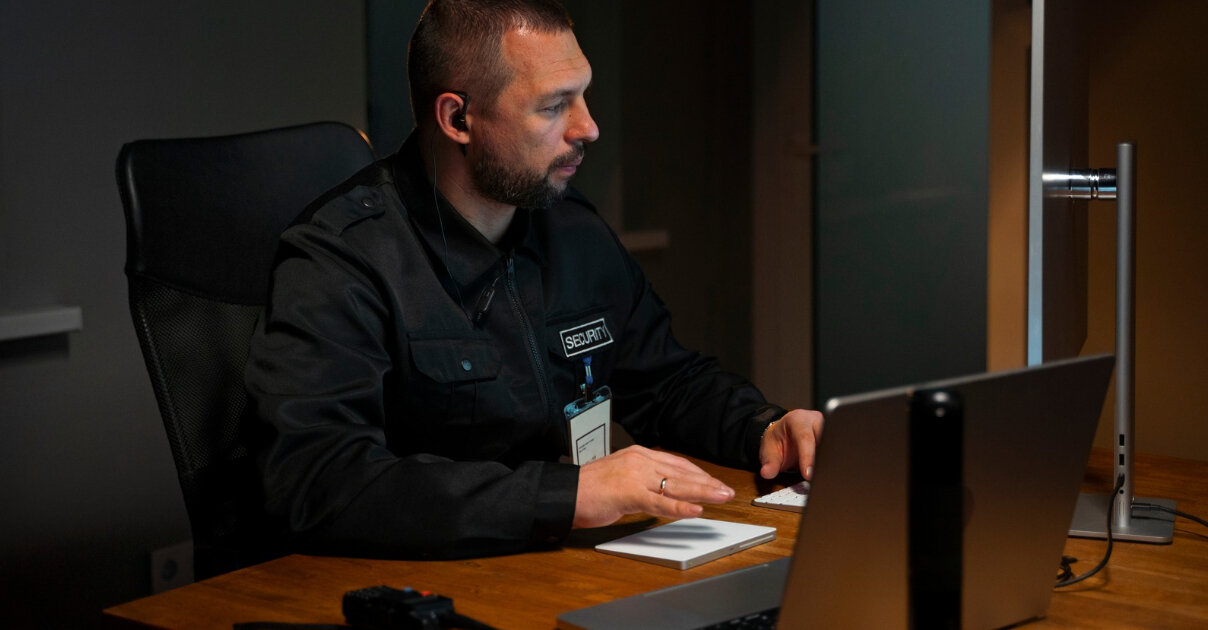
For security teams specifically, this is one of the features that separates DMR from analog in a way that shows up in real incidents. Digital two-way radio for security teams isn't just about cleaner audio or longer battery life. It's about whether the right person can reach the right channel when the situation demands it. The practical advantages for security operations go beyond audio quality, and transmit interrupt is a significant part of that picture.

How It Behaves Differently in Trunked Systems
A DMR trunked radio system handles transmit interrupt at the infrastructure level, which changes the operational picture considerably.
In a conventional setup, interrupt is channel-specific. A priority user on Channel 3 can interrupt another user on Channel 3. If that priority user needs to reach someone on Channel 5, the interrupt doesn't help them get there.
In a trunked system, the controller dynamically manages channel assignment. When a priority talk group keys up, the controller immediately pulls a channel from the pool and assigns it, regardless of what's running on other channels. The interrupt isn't just about a single frequency; it's about system-wide resource allocation weighted by priority.
This matters most in operations with multiple concurrent teams: a large manufacturing floor, a multi-building campus, an event venue with separate security zones. When call volume is high and channels are busy, a trunked system with properly configured priority gives the right people reliable access without adding hardware. The technical architecture behind trunked systems covers how the controller manages this in more detail.
What Proper Configuration Looks Like
Getting transmit interrupt right involves four decisions made before the system goes live.
First, identify which talk groups hold interrupt capability. Keep the list short. Two is usually enough for most facilities. The more talk groups that hold priority, the less meaningful the priority becomes in practice.
Second, decide whether the interrupt is unilateral or acknowledged. Some configurations send a tone to the interrupted party before cutting the transmission. Others cut immediately. The right choice depends on how your teams operate and what the interrupted user needs to know in that moment.
Third, test it under load. A transmit interrupt that works during a quiet afternoon may behave differently when multiple channels are active simultaneously. Testing during a simulated peak load is the only way to confirm it performs as configured.
Fourth, document it. Staff turnover means radio programming knowledge walks out the door. A documented configuration record means the next system review starts from a known baseline rather than a guess about what was set up three years ago by a technician who has since left.
MRC's system design work includes configuration review as part of the process. If your DMR system was installed without a documented transmit-interrupt setup, it's worth confirming before your next busy season or planned expansion.
The Radios That Support It
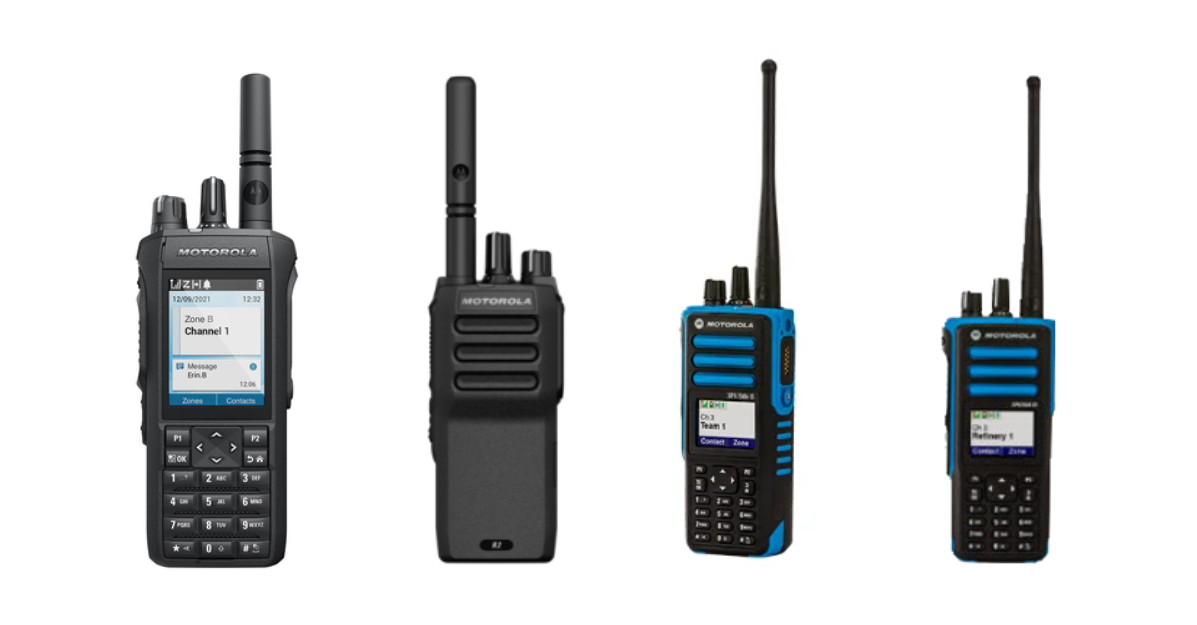
Any MOTOTRBO radio that supports DMR transmits interrupts at the protocol level. The MOTOTRBO R7, MOTOTRBO R2, XPR 7580e IS, and XPR7550 IS all run the DMR standard and can be programmed with transmit interrupt enabled.
The difference between models isn't whether the feature exists. It's what else the radio brings to the environment where priority communication matters most. The XPR 7580e IS and XPR7550 IS carry CSA intrinsically safe certification for Division 1 hazardous locations, where a blocked channel carries consequences beyond a delayed response. The MOTOTRBO R7 adds IP68 waterproofing and Bluetooth for environments where radios take daily physical punishment. The R2 covers facilities that need reliable DMR across a large number of users without the full feature set of the higher-tier models.
The radio choice matters. The configuration matters more. A well-specified radio with a transmit interrupt left unconfigured doesn't perform any differently from an analog system when the channel gets blocked at the wrong moment.
If you're not certain whether your current DMR setup has transmit interrupt active, contact us. We can review your programming, confirm the configuration, and determine whether your priority structure aligns with how your teams operate on the floor.