


Are Pagers Still Relevant? Using Pagers for Critical Response

In today's world of smartphones and instant messaging, pagers might seem like relics from the past. Yet walk through any fire station or hospital emergency room and you'll spot them clipped to belts and tucked in pockets.
Motorola pagers still excel where modern devices struggle, especially in emergency situations. When alarms sound and seconds matter, these simple devices deliver reliability that smartphones simply can't match.
We've witnessed this difference during severe ice storms in Ontario. While cell networks failed completely, emergency teams with pagers received every alert without issues. This isn't about clinging to old technology – it's about using the right tool when lives are at stake.
First responders rushing into burning buildings need alerts they can trust. Hospital teams and industrial safety crews face the same challenge. For these professionals, missed messages aren't just inconvenient – they can be catastrophic.
Let's explore why emergency pagers continue to outperform flashier alternatives when reliability matters most.
Why Pagers Outperform Smartphones for Critical Alerts
Emergency responders can't afford to miss critical messages. A missed alert about a cardiac arrest or factory incident can have serious consequences. Motorola pagers consistently prove their value in these situations.
Battery Life That Doesn't Quit
Emergency workers can't remain tethered to charging cables during long shifts. Smartphones need daily charging, but pagers run for weeks on a single battery.
Modern emergency pagers like the Minitor VI include rechargeable batteries with smart charging options. Many offer backup battery trays for quick field replacement when needed. Voice or visual alerts warn users about battery levels to prevent missed communications.
This reliability becomes crucial during extended emergencies or power outages. No responder wants a dead device during a multi-day disaster response.
Signal Penetration When It Matters Most
Cell phones struggle in many emergency settings. They drop calls, lose battery quickly, and often fail in harsh conditions. Pagers handle these tough environments much better.
Pagers maintain strong signals in basements, concrete buildings, and rural areas. They work where cell service fails completely. This reliable coverage is vital when teams enter thick-walled buildings or remote locations.
Hospital radiology departments with lead shielding present serious signal challenges. These areas block cellular signals, but paging systems maintain signal integrity even in these difficult environments.
This advantage comes from the basic technology in pagers. They operate on VHF (Very High Frequency) or UHF (Ultra High Frequency) bands that penetrate buildings better than cellular frequencies. While phones need constant two-way tower communication, pagers receive one-way signals broadcast at higher power levels, ensuring better reception.
One-Way Simplicity = Actual Reliability
Modern smartphones try to do everything at once—calls, texts, emails, and apps. This creates multiple points where things can break down.
Pagers do one job perfectly: delivering critical messages when needed. This simple design creates reliability that complex devices can't match. There's no operating system to crash or apps competing for resources. When seconds count, this focused approach makes all the difference.
Who Still Depends on Pager Technology?
Several sectors still rely heavily on paging systems despite smartphones dominating personal communications.
Fire Departments and EMS Teams
Emergencies leave no time to fumble with screens or unlock patterns. When someone needs CPR in an ambulance or fire crews' direct traffic, every second counts.
Fire departments across Ontario depend on pagers for their alert systems. Their robust design and voice recording help responders hear instructions clearly even in chaotic situations.
Rural volunteer departments benefit greatly from pagers' reliable coverage across wide areas. The steady performance of paging systems proves vital when minutes make all the difference.
Hospital Critical Response Teams
Hospital code teams handle everything from cardiac arrests to security threats. They rely on emergency pagers for instant alerts in these situations.
The distinct tone alerts cut through hospital background noise effectively. Security staff can alert teammates instantly with one button press. No dialling, no waiting, and no missed calls.
Many healthcare facilities maintain pagers alongside newer systems for their unique benefits in critical response scenarios.
Manufacturing and Industrial Safety
Industrial emergency teams need alerts that work in challenging environments. Pagers function reliably amid machine noise, dust, and electrical interference.
Safety coordinators value how quickly pagers alert emergency teams. They don't rely on potentially congested cell networks during facility-wide incidents.
Pagers in Critical Infrastructure Protection
Power plants, water facilities, and transportation hubs face unique communication challenges. These environments contain signal-blocking materials and hazardous areas that demand reliable backup communication systems.
Motorola emergency pagers come with intrinsically safe designs for hazardous areas. These certified devices work safely around flammable gases and dust. No risk of sparks. Their strong signal reception performs well even in concrete buildings and underground sections.
Critical infrastructure operators depend on paging technology to alert response teams quickly. Their performance ensures important messages always get through, which explains why essential service providers continue relying on these proven systems.
Emergency planning and disaster response
Major disasters often knock out standard communication systems quickly. Hurricanes damage cell towers while mass events can overload networks. Power outages render most modern devices useless within hours.
Emergency pagers thrive in these harsh conditions by design. They continue working through blizzards, floods, and wildfires when other devices fail. Emergency management teams need communication tools that function when basic infrastructure doesn't.
We've set up paging systems for emergency agencies across Southwestern Ontario. They understand the critical need for communication backup systems. Pagers become the reliable backbone for coordinating rescues during major incidents.
Modern Paging: Not Your 1990s Technology
Today's paging systems have evolved significantly from earlier versions. Modern Motorola pagers offer features designed specifically for today's emergency response needs:
Enhanced Alerting Options
Current pagers provide multiple notification methods to alert users effectively. They use distinct tones for different emergency types and vibration for quiet alerts. Voice recording captures important dispatch instructions for later review.
Teams can customize alert methods based on their response plans. They create specific tones for fire calls, medical emergencies, or hazardous incidents.
Selective Calling Groups
Modern paging systems can target specific teams with relevant messages. This selective capability means firefighters aren't alerted for medical calls unless needed. Specialized teams only receive alerts relevant to their responsibilities.
This targeting helps reduce alert fatigue for busy response teams. It ensures the right personnel respond to each incident quickly.
Integration with Broader Communication Systems
Today's emergency pagers work well with other communication tools and systems. Many organizations integrate them with two-way radios and dispatch software.
This setup creates a smooth emergency response system across platforms. Initial alerts come through pagers while ongoing communication happens via radio networks.
Making the Right Choice for Critical Response
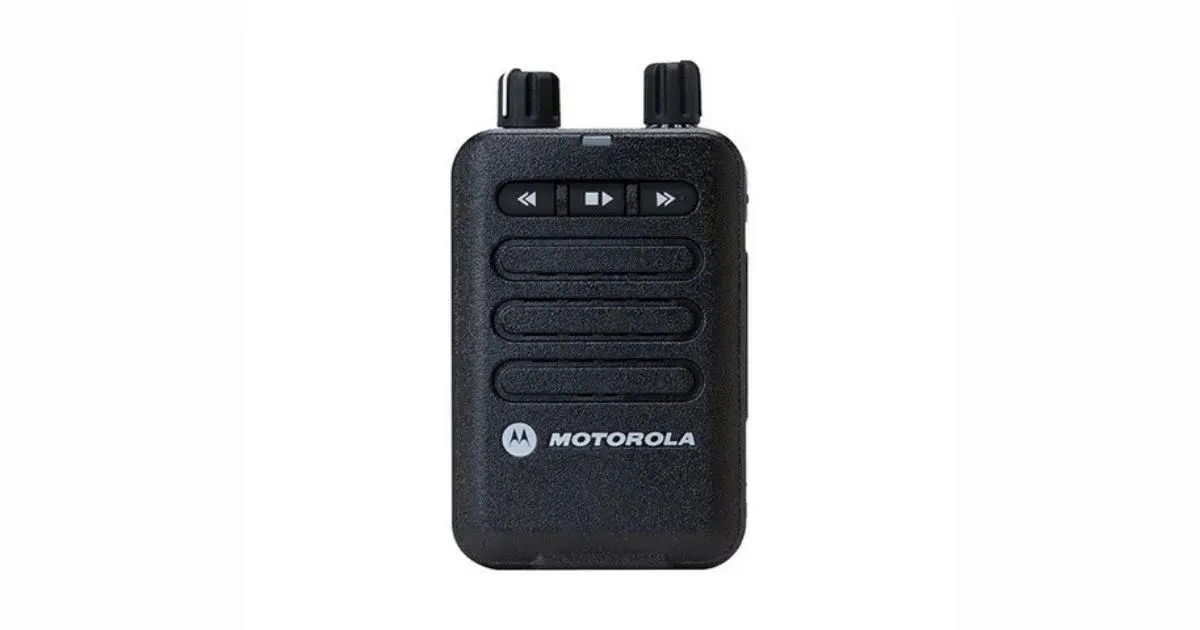
Organizations should consider several factors when evaluating emergency alerting options:
Coverage Requirements: Do your teams work in areas with poor cell service?
Battery Life Needs: How important is multi-day operation during extended emergencies?
Environmental Challenges: Will devices face extreme conditions or rough handling?
Integration Requirements: How will alerting systems work with existing radio networks?
Budget considerations also play an important role in this decision. The initial investment in quality paging systems might seem higher than smartphone options. But the total cost of ownership often favours pagers.
Their longer service life, lower maintenance needs, and simpler subscription models create significant savings over time.
Safety certifications represent another critical factor for many industries. Organizations working with hazardous materials or explosive atmospheres need communication devices with proper safety ratings.
These certifications ensure devices won't create sparks or heat. This prevents dangerous reactions in sensitive environments.
Training and adoption should also factor into your decision. Pagers feature simple, easy-to-use interfaces that require minimal training.
This becomes especially important for volunteer organizations with frequent membership changes. It also matters for departments with limited training time.
Most emergency response organizations maintain pager systems even with newer technologies. The reliability, battery life, and coverage of professional paging systems remain essential. When failure isn't an option, these features matter most.
The Future of Emergency Alerting
Pagers will keep their place in emergency teams even as smartphone use grows. Smart organizations don't replace pagers - they combine them with newer technologies to get the best of both worlds.
Emergency alerts keep evolving with options like Push-to-Talk over LTE networks. Modern radio systems now come with built-in alerting features. But pagers still win on simple reliability. That's why they'll stay vital for emergency response for years to come.
Ready to Improve Your Emergency Alerting?
At MRC Wireless, we build critical communication systems that work when everything else fails. Our team creates paging systems that fit perfectly with the tools you already use. We know what emergency teams across Southwestern Ontario face each day.
That's why we build solutions that match your exact needs, coverage area, and budget. We've spent 25 years helping first responders get alerts they can count on in any situation.
If you need to update your current system or are looking to add new alerting tools, our experts will guide you through each step of the process. We create systems that grow with your organization and work smoothly with your existing equipment.
Contact us today to learn how Motorola pagers can strengthen your emergency response capabilities. Your team deserves communication tools they can trust when seconds count.