


How Advanced Two-Way Radio Improves EMS Incident Command
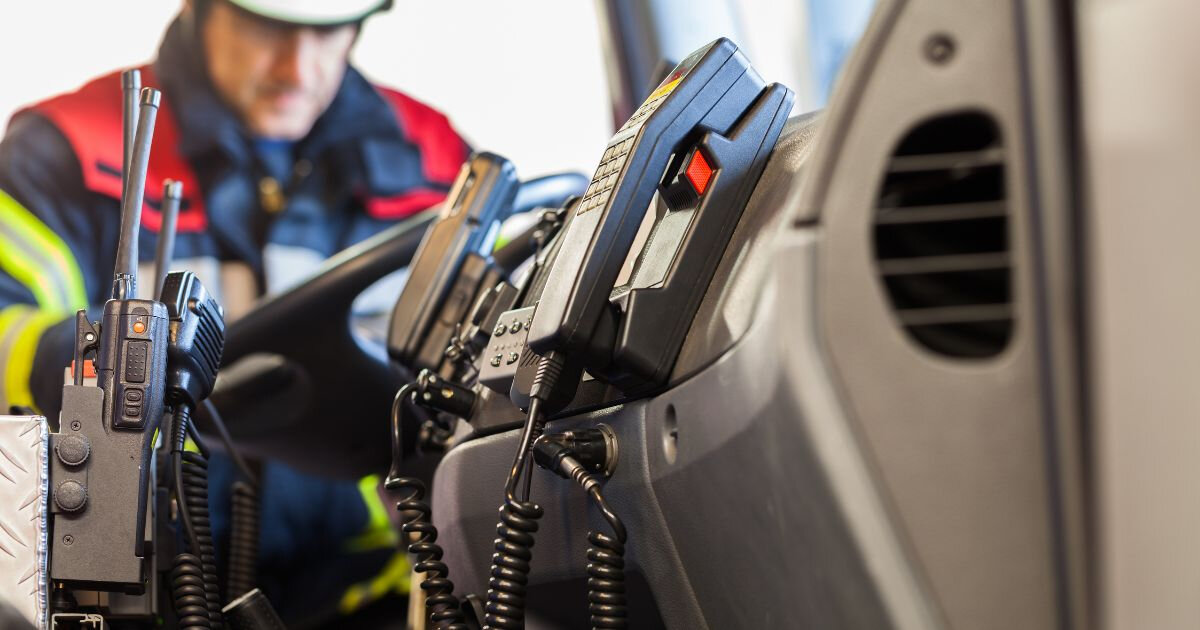
There's no time to fumble with a screen when someone's coding in the back of an ambulance. Or when fire crews are rerouting traffic to get paramedics through. In emergency response, seconds aren't just valuable. They determine outcomes.
That's exactly where an advanced two-way radio system makes all the difference. Apart from being a communication tool, it is the backbone of clear, coordinated command on the ground. When EMS teams rely on priority channels, group calls, and rugged devices built for noise and chaos, they stay in sync even when scenes get unpredictable.
In this article, we'll explore how two-way radios support real-time EMS coordination, cut through confusion, and help command leads respond with precision during critical incidents.
Why EMS Crews Rely on Two-Way Radios, Not Cell Phones
From multi-car crashes to overdose calls in loud, crowded areas, EMS scenes are intense. Cell phones just can’t keep up.
Two-way radios give field teams what they actually need:
- Push-to-talk for fast, direct communication
- Group calling to reach multiple responders at once
- Clear audio, even through sirens and street noise
- Rugged, glove-friendly buttons that don’t glitch when wet
Cell phones can drop calls, run out of battery, or freeze up in the rain. However, radios are made for high-pressure conditions. They last full shifts, work through overloaded towers, and don’t rely on a touchscreen that might not respond when it matters.
Research shows that communication errors are among the most common causes of medical errors, with the Joint Commission listing communication error as one of the most attributable causes of sentinel events. The same reliability issues that affect manufacturing operations also impact emergency response teams.
That’s why EMS teams trust radios on the ground. They deliver quick, reliable communication in the middle of the chaos—no swiping, no delays, no guessing who heard what.
Group Calling for EMS: One Message, Everyone Informed
Picture this: a house fire with victims still inside. The EMS lead needs to update fire crews, medics, and ambulance drivers all at once. On a cell phone, that’s multiple calls and too much wasted time.
With two-way radios, one transmission reaches everyone instantly. Group calling keeps teams informed and aligned in real time. When the fire chief reports a safe route for evac, medics prepping stretchers and transport units outside hear it right away with no repeats nor confusion.
Radios like the MOTOTRBO R7 allow for custom talk groups. Patient care teams can work on one channel, while transport coordinates on another. Incident command can monitor both and jump in when needed.
This kind of shared awareness is what turns a scattered response into a synchronized one. It also cuts down on call delays, missed updates, and errors during high-pressure moments.
Whether it’s rerouting for helicopter transport or updating units across zones, group calling helps EMS stay ahead of the chaos and not behind it.
Priority Channels in Two-Way Radio: Fast-Track the Urgent Calls
Not every transmission is created equal. During cardiac arrests or trauma scenes, some calls need to override the rest.
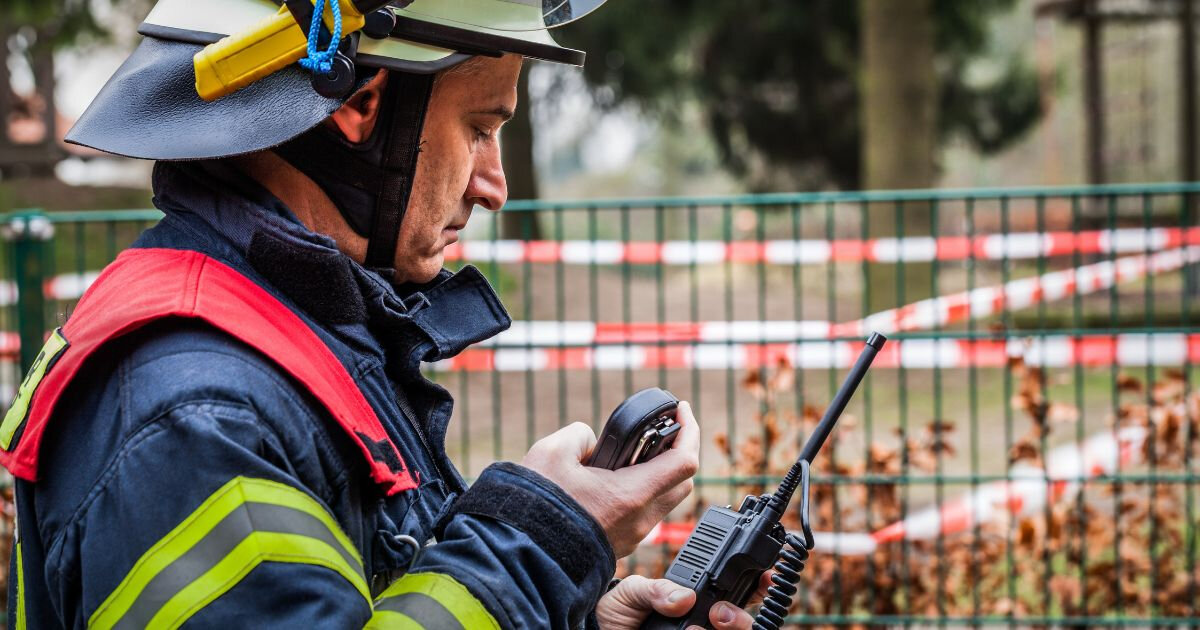
That’s where priority channels come in. With advanced two-way radios, EMS crews can trigger emergency alerts that cut through routine chatter. One button press moves their call to the front of the line—no waiting, no missed message.
Systems like Fleet Connect also log the event and share it across wide-area coverage. So even if the responding crew is in a rural zone or a congested network area, command still gets the alert.
This isn’t about extra training or added steps. Priority call features are built-in and simple to use. It gives field teams a direct line to decision-makers when it matters most.
And for supervisors juggling multiple incidents at once, priority channels ensure they never miss the calls that truly can’t wait. It’s like giving urgent medical updates their own express lane and making sure help moves at the pace of the emergency.
Clear Audio in Noisy Environments: Hear Every Word, First Time
Emergency scenes are loud; sirens, traffic, shouting, even helicopters. Two-way radios built for EMS don’t just survive in this noise. They cut through it.
Digital radio systems use noise suppression and voice clarity tools that block out background sounds and boost speech. That means a paramedic in a busy intersection or ambulance bay can still be heard clearly by dispatch or hospital staff.
Radios like the MOTOTRBO Ion adjust automatically based on ambient noise. When it gets loud, the system compensates. When things quiet down, the audio readjusts—no manual toggling or setting changes needed.
That level of clarity matters. If vitals or medication dosages get misheard, it can affect patient care. Two-way radios reduce that risk by making sure messages come through clearly the first time.
In high-stakes situations, no one should have to repeat themselves. Radios that deliver clear, strong audio help EMS teams stay focused on patients, not on fixing communication.
Encrypted Radio Channels: Keep Patient Information Secure
EMS teams handle private health data on the fly. And unlike cell calls, two-way radios can encrypt those details in real time.
Whether it’s a patient’s history, condition, or medication list, encrypted channels help paramedics share what matters while keeping it protected. There’s no risk of that conversation being intercepted or overheard.
This kind of automatic encryption is built into many modern digital radios, no extra steps or settings needed. Teams communicate naturally, while the system protects sensitive details in the background.
It’s not just about patient data either. Scenes involving domestic violence, overdoses, or active investigations often come with higher privacy stakes. Radios that keep those communications secure protect patient dignity and operational safety.
For EMS supervisors, encryption adds another layer of assurance: knowing that your team can share critical updates without risking exposure. When the pressure is high, that kind of built-in security matters.
Wide-Area Radio Coverage: Stay Connected Wherever the Call Takes You
Emergency calls don’t stick to ideal locations. From rural roads to multi-story buildings, EMS crews need coverage that keeps up, no matter the terrain.
Two-way radios with wide-area coverage solve this. When paired with Distributed Antenna Systems (DAS), they push signals into stairwells, parking garages, and underground tunnels—places where phones often drop out.
This coverage is planned on purpose. Radio providers run custom RF studies to map out how EMS teams move in their service areas. Whether the job is in a remote farming community or a busy hospital campus, the system is built around the real-world geography of the work.
That’s why many rural EMS services rely on radio communication as their only link to dispatch and hospitals. When a call comes from a forest trail or a distant stretch of highway, radio coverage—not cell service—keeps the response moving.
In city environments, wide-area radios help coordinate multi-agency response across districts. One network, strong and clear from scene to ER.
When teams stay connected across distance, they stay safer, faster, and more effective; no matter where the next emergency hits.
Real-Time EMS Coordination That Scales with the Incident
Emergency scenes don’t stand still, and neither should your communication system. Whether you're dealing with a minor accident or a multi-agency disaster, EMS teams need tools that scale fast.
Advanced two-way radios support real-time visibility and rapid adjustments. GPS tracking shows where each unit is and who’s closest to a new call. Supervisors don’t have to guess; they see it live and dispatch accordingly.
When someone hits their emergency alert, command gets location data right away. Whether it's a man-down signal or a manual call for help, no one operates without backup.
Talk groups, channel assignments, and system access can all expand as the incident grows. That means no bottlenecks, no channel confusion, and no team left out of the loop.
Scalable systems also make large events easier to manage such as concerts, sporting events, public festivals where EMS coverage must flex without dropping quality. And when agencies need to talk to each other, cross-system interoperability keeps things moving.
Modern radio systems also simplify what comes after. Timestamped alerts and recorded transmissions help create a clear incident timeline which is essential for post-scene reporting, supervisor briefings, or quality assurance reviews.
When every step is documented automatically, EMS leaders spend less time reconstructing details and more time preparing for what’s next.
Stay Focused, Stay Ready
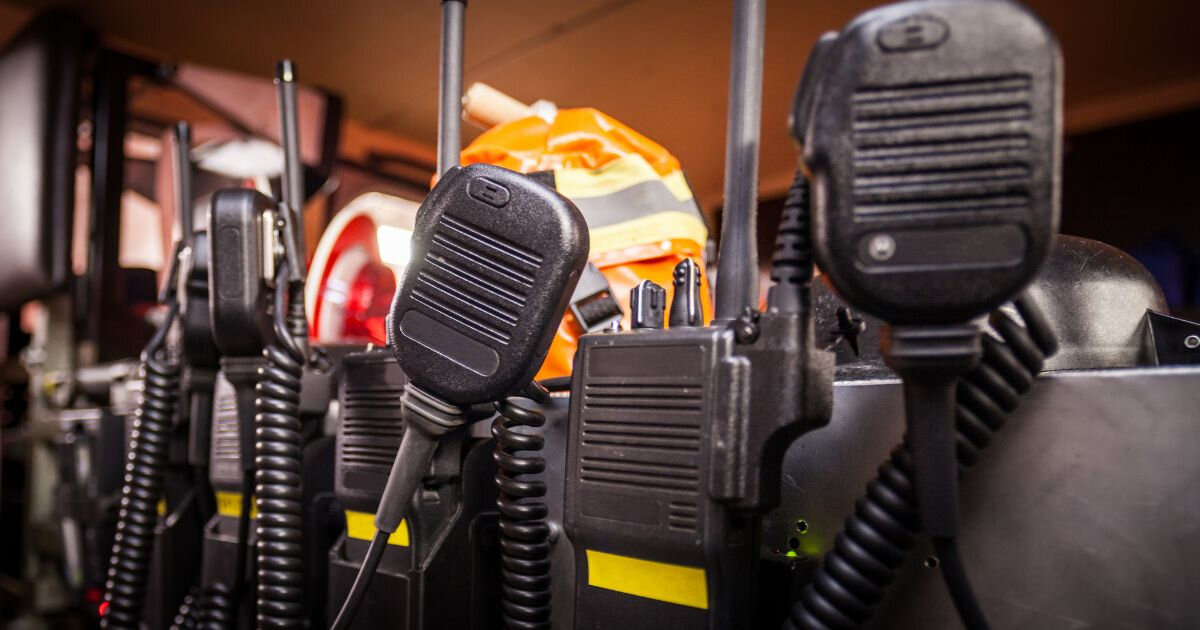
In emergency response, clarity and speed save lives. Two-way radios give EMS teams the tools to lead with confidence—clear audio, instant alerts, real-time tracking, and secure communication that works everywhere the call takes them.
Whether coordinating everyday calls or scaling up for complex scenes, modern radio systems remove the guesswork and keep crews focused on what matters most: patient care and safety.
If your current setup leaves room for confusion or coverage gaps, it might be time to rethink your approach. The right two-way radio system doesn’t just fill in the blanks; it strengthens every response.
MRC Wireless works with EMS agencies to design communication systems that match the real demands of the job. Call us today to talk through your setup, explore system upgrades, or schedule an on-site evaluation with our technical team.