


What is an Intrinsically Safe Radio?
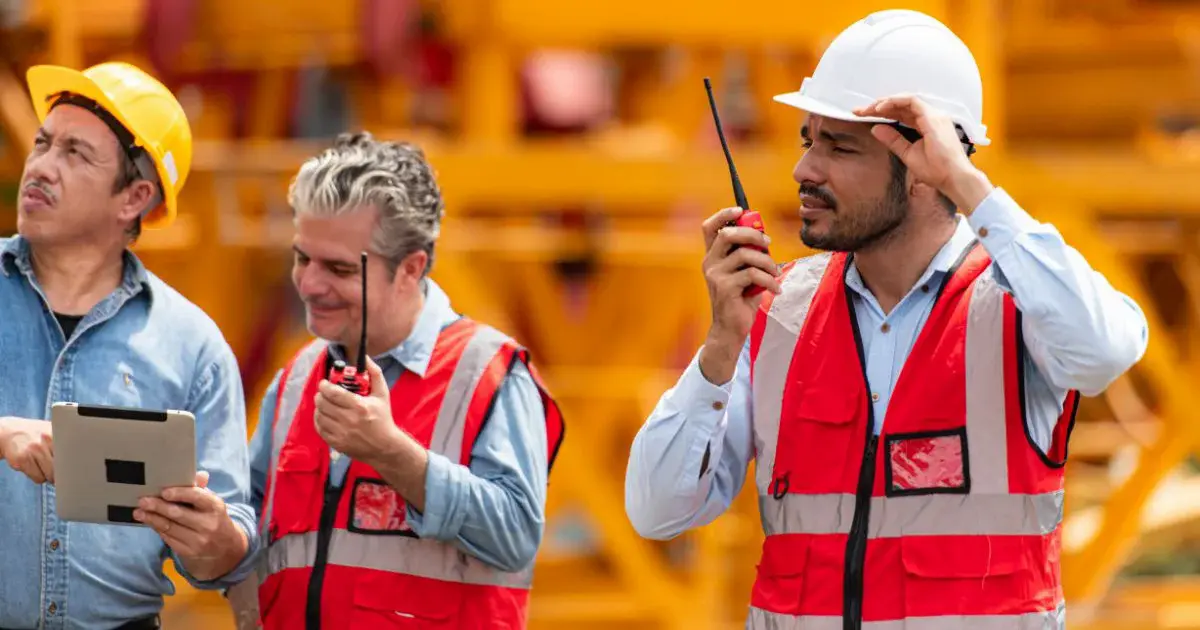
Working in places with flammable gases, dust, or chemicals creates unique risks. Regular radios can become dangerous in these settings. They might create sparks or heat that could trigger fires or explosions. That's where intrinsically safe radios come in.
These special radios are designed from the ground up to prevent sparks, maintain low heat levels, and contain electrical energy. They're not just tougher versions of regular radios – they're completely different tools designed with safety as the priority.
In this post, we'll explain what makes a radio truly intrinsically safe, why proper certification is important, and how to select the right radio for hazardous work areas.
How Safety Engineering Works
An intrinsically safe radio works differently from standard models. Three main safety features set them apart:
Energy control is the most important aspect. These radios limit electrical energy below what's needed to cause ignition. Special circuits ensure that even if something fails, energy stays contained and can't create sparks.
Heat management prevents hot spots. All parts – from batteries to circuit boards – operate at cool temperatures. This stops the radio's surface from becoming hot enough to ignite nearby materials.
Physical design features add more protection. Sealed cases prevent dust and gases from reaching electrical parts. Anti-static materials reduce static electricity buildup. Even small details, such as button design and battery compartments, are built with safety in mind.
These radios are commonly installed in oil refineries where even a tiny spark could cause disaster. The careful engineering behind intrinsically safe radios enables workers to communicate safely without adding risk to already hazardous environments.
Hazard Classes You Should Know
Safety standards group hazardous areas into specific categories that help you choose the right radio:
Class tells you what dangerous material is present:
- Class I: Gases or vapors that can catch fire.
- Class II: Dust that can burn or explode.
- Class III: Fibers or flyings that burn easily.
Division shows how often these hazards exist:
- Division 1: Hazards are present during normal work.
- Division 2: Hazards only exist during accidents or unusual conditions.
Groups further sort materials by how easily they ignite:
- Groups A-D: Various gases from most to least dangerous.
- Groups E-G: Different types of dust and fibers.
A radio marked for "Class I, Division 1, Groups C and D" is safe to use around specific flammable gases that are regularly present. Your radio must match or exceed the classification of your work area. Using an underrated radio creates serious safety risks that could lead to fines, lost insurance coverage, or worse.
Canadian Certification Requirements
In Canada, two main hazardous location certification standards apply to radios:
CSA Certification (Canadian Standards Association) is widely respected for hazardous locations in Canada. According to CSA Group's website, they are "a leading issuer of HazLoc certificates" for dangerous environments.
According to eSafety First's comprehensive guide on Canadian electrical safety regulations, proper certification is crucial for equipment used in hazardous environments to maintain workplace safety and regulatory compliance. CSA-certified radios go through detailed testing to ensure they won't cause sparks or overheating in places with explosive gases or dust.
CSA marks show that equipment meets Canadian safety standards. These certifications are especially valuable in oil refineries and chemical plants where safety risks are high. Many industrial facilities choose CSA-certified radios because they're proven safe in environments where even a small ignition source could be dangerous.
UL Certification (Underwriters Laboratories) is another recognized standard accepted in Canada. According to ULC's Safety Scheme page, their certification program is accredited by the Standards Council of Canada. UL 913 certification tests radios against strict safety requirements. Many UL-certified devices now carry a cUL mark, indicating they also meet Canadian standards.
For facilities that operate across the US-Canada border, dual-certified equipment ensures compliance in both countries. This is particularly important when managing radio fleets that operate across international boundaries.
Key Features of Intrinsically Safe Radios
Today's advanced models offer features beyond basic industrial radio safety:
Tough construction comes standard on these models. Radios like the Motorola R7 meet IP68 standards for dust and water protection, surviving complete submersion up to 2 meters deep for up to 2 hours, along with IP66 resistance to concentrated water jets.
Clear audio technology filters out background noise. Advanced digital processing in Motorola industrial solutions cuts through machine sounds, vehicle noise, and equipment racket, making sure critical messages get heard the first time.
Safety features provide extra protection. Man-down detection automatically calls for help if a worker falls. Emergency buttons send instant alerts during critical situations, and GPS tracking helps response teams find workers quickly.
Long battery life keeps teams connected through full shifts. Special batteries provide 12+ hours of use, eliminating the need for mid-shift battery changes and communication gaps.
These features are essential in mining operations with noise levels over 95 decibels. The difference between standard and intrinsically safe radios becomes immediately clear – the specialized design delivers better sound while maintaining strict safety standards.
Where These Radios Make a Difference
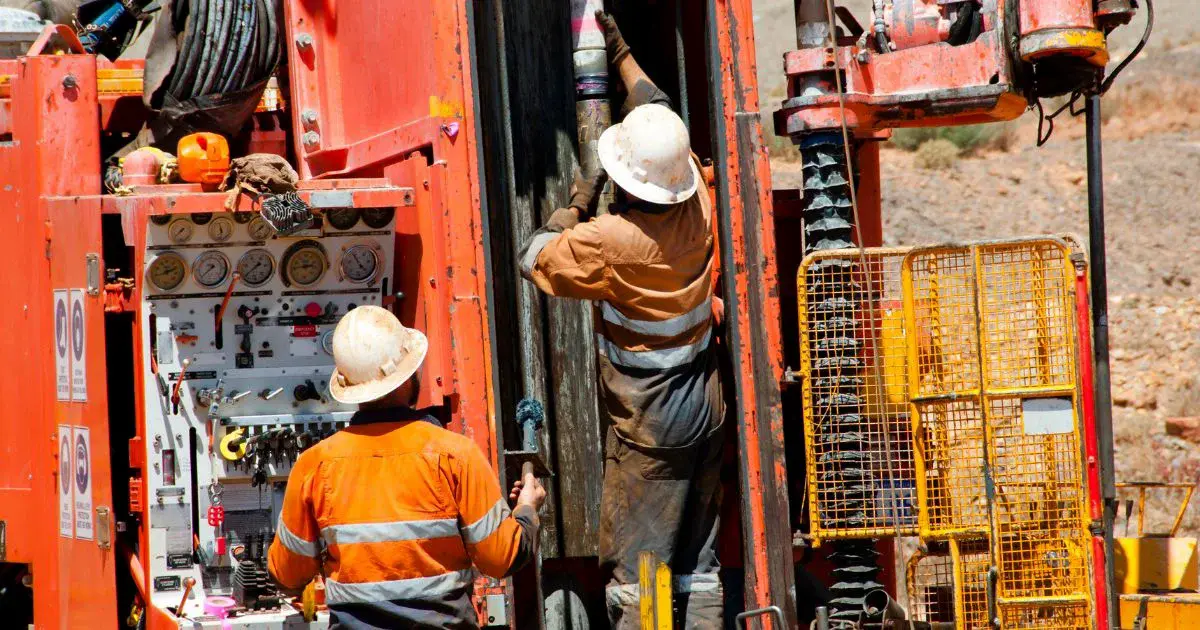
Different industries face unique hazards that require specialized communication tools:
Oil and gas operations most commonly use intrinsically safe radios. From drilling sites and pipelines to refineries, these places contain various flammable materials. CSA-certified radios provide vital communication without creating ignition risks during regular work.
Chemical plants handle volatile compounds that could explode. Intrinsically safe radios enable workers to coordinate complex processes safely, regardless of the chemicals present.
Mining operations deal with combustible dust and potential methane gas. Underground communications need radios certified for both Classes I and II hazards.
Pharmaceutical manufacturing often uses flammable solvents and fine powders. Clean rooms benefit from radios that meet both safety requirements and contamination control standards.
Grain handling facilities face unique risks from dust that can ignite with minimal energy. Class II certified radios prevent communication equipment from starting fires.
The common thread across these industries is the need for reliable communication that never compromises safety. Intrinsically safe radios provide the critical link that keeps teams coordinated without adding risk.
Selecting the Right Radio for Your Environment
Choosing the right intrinsically safe radio requires careful thought:
Start with a hazard assessment of your facility. Work with safety managers to identify the specific classes, divisions, and groups in your workplace. This classification forms the baseline requirement for your radio selection – the certification must match or exceed your workplace hazards.
System compatibility ensures smooth integration. If adding to an existing radio network, make sure your new intrinsically safe radios work with your current system, repeaters, and dispatch setup.
Consider accessory certification carefully. Using non-certified accessories with an intrinsically safe radio voids its safety certification. Even something as simple as the wrong battery or speaker mic can create risk. Always use manufacturer-approved accessories that maintain proper certification.
Budget planning should consider the full system cost. While intrinsically safe radios cost more than standard models, they protect both safety and operations. Factor in reliability, reduced risk, and potential insurance benefits when calculating total value.
With decades of experience designing radio systems for hazardous environments, MRC Wireless has found that cutting corners on safety certification always costs more in the end – whether through fines, insurance issues, or worst-case accidents.
Why Proper Certification Matters
Using non-certified radios in hazardous areas creates serious risks:
Safety inspectors can shut down operations if they find improper equipment in hazardous areas. These violations often carry significant fines and trigger additional facility-wide inspections.
Insurance policies typically require certified equipment in hazardous locations. Using the wrong radios can void coverage in the event of an incident, leaving companies facing substantial costs.
Safety risks are the biggest concern. Non-certified radios can spark ignition in the presence of flammable materials. The potential consequences include fires, explosions, injuries, and deaths – risks no responsible operation should take.
Safety inspectors often find operations using standard radios with 'intrinsically safe' stickers added. This dangerous practice creates a false sense of security while introducing serious hazards. True safety isn't about appearances – it's about proper engineering and certification.
Keeping Your Equipment Compliant
Keeping intrinsically safe radios properly maintained requires special steps:
Certified repair providers must service intrinsically safe radios. In Canada, repair facilities need CSA certification to work on this equipment. This ensures technicians understand safety-critical aspects and maintain compliance during repairs.
Regular checks help catch problems before they affect safety. Inspecting for case damage, battery integrity, and proper accessories should be part of standard equipment procedures.
Documentation should include certification records, inspection logs, and repair histories. These records prove compliance during safety audits and insurance reviews.
Training ensures that all users are aware of the proper handling rules. This includes recognizing when radios need service, using only approved accessories, and following charging procedures that maintain safety.
The radios themselves are just one part of a complete safety system. Proper vehicle mounts, certified charging stations, and approved storage methods all help maintain intrinsic safety.
MRC Wireless: Your Trusted Partner
Setting up safe radio systems requires expert guidance. MRC Wireless delivers CSA-approved communication solutions across Ontario as an Authorized Motorola Solutions Channel Partner with 30 years of experience.
We begin with thorough site assessments to identify your specific hazards. We then design systems using certified equipment that integrates with your operations while meeting all safety standards.
Our certified technicians maintain your equipment's functionality and compliance. We provide complete certification documentation to support your safety audits.
Our expertise comes from decades in the field. We've built systems for oil refineries and grain facilities that keep teams connected in challenging environments.
If you need reliable communication in hazardous locations, contact us to learn how Motorola industrial solutions can protect your team and operation.