


Waterproof or Water-Resistant? Choosing the Best Radio for the Job
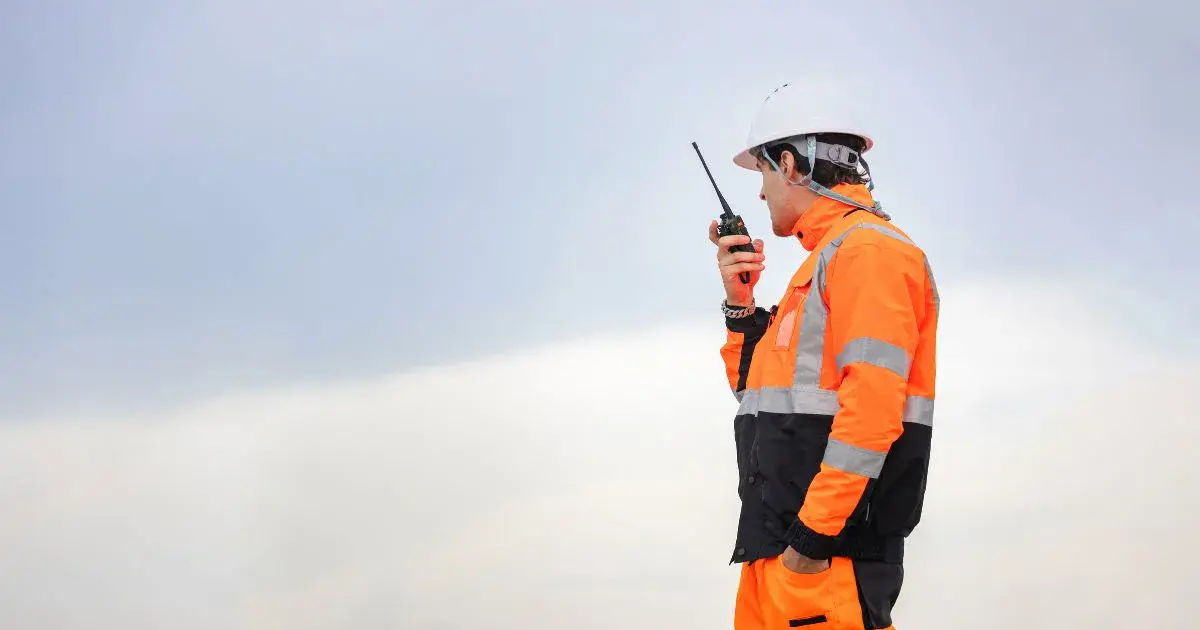
Your supervisor drops their radio into a puddle during a loading dock washdown. Do you need a replacement unit, or does it still work? The answer depends entirely on whether that radio was waterproof or just water-resistant—a distinction most teams discover the hard way.
We've seen facilities buy "rugged" equipment that fails during the first cleanup shift or winter storm. The problem isn't the radio technology. Water resistance ratings mean different things in different situations. Understanding IP ratings helps you match protection to actual working conditions.
This matters because radio replacements aren't just equipment costs. They're communication gaps during busy shifts, delayed responses to incidents, and teams that start doubting whether their backup systems will work during emergencies.
What IP Ratings Actually Mean for Working Conditions
IP ratings quantify how well equipment handles dust and water. The system uses two numbers: the first rates solid particle protection, the second rates liquid protection.
The IEC maintains this international standard, ensuring consistent measurements across manufacturers. An IP67 rating means the same thing whether equipment comes from North America, Europe, or Asia.
Here's how the numbers break down. IP67 means complete dust protection (6) and submersion resistance up to one meter for 30 minutes (7). IP68 protects against deeper submersion. But neither rating guarantees protection against high-pressure water spray.
A radio rated IP68 might survive falling into a dock basin but fail during pressure washing. The ratings test specific conditions that might not match your actual environment.
Lab submersion tests use fresh water at room temperature. Your facility might expose radios to salt spray, chemical solutions, or freezing temperatures. These conditions stress seals in ways lab tests don't cover.
Waterproof two-way radios rated IP67 or IP68 are designed to withstand immersion. Water-resistant radios for industrial use, rated IP54 or IP55, resist splashes and rain but fail during actual submersion. The difference matters when radios get dropped in puddles, knocked into drainage areas, or exposed to equipment washdowns.
Where Water Resistance Becomes Critical
Food processing facilities are constantly exposed to moisture. Equipment gets hosed down between shifts, condensation forms in cold storage areas, and occasional spills happen throughout the day. Teams working in these environments need radios that remain functional despite repeated water exposure.
Construction sites present unpredictable weather exposure. A morning crew might start in dry conditions, face afternoon rain, then deal with standing water in trenches by evening. Cell phones die. Consumer electronics fail. Professional radios outperform consumer devices in these demanding environments, keeping teams coordinated regardless of the weather.
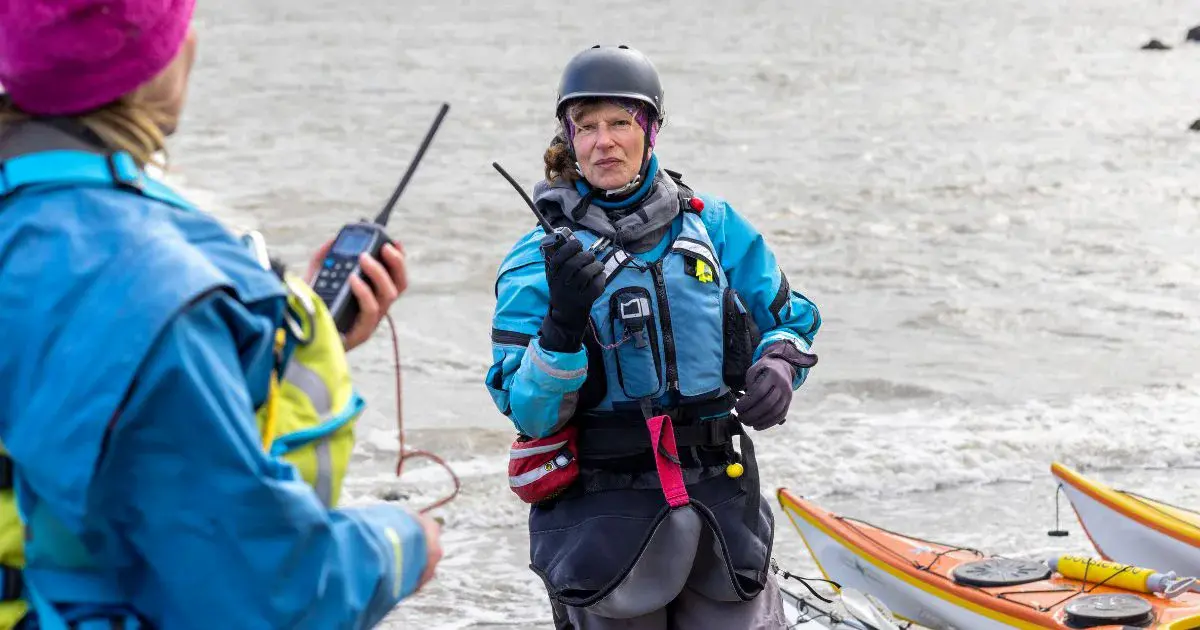
Maritime operations demand genuine waterproof protection. Radios used on docks, boats, or near water must survive not just splashes but also actual immersion when equipment gets knocked overboard, or workers slip near the water's edge.
Manufacturing plants with wet processes expose equipment to more than occasional moisture. Metal finishing operations, parts washing stations, and industrial cleaning areas create environments where radios are constantly exposed to moisture throughout entire shifts. Snow removal operations combine moisture with extreme cold, testing equipment beyond standard specifications.
The Technology Behind Water Protection
Gasket seals create barriers between radio components and external moisture. Quality varies significantly between consumer and professional equipment. Industrial radios use compression-molded seals that maintain pressure over years of repeated opening and closing. Consumer devices often use adhesive seals that degrade quickly with use.
Port covers protect charging contacts, accessory jacks, and programming ports from water intrusion. Poor port cover design lets moisture in even when the rest of the radio seals well.
Internal coatings add another defense layer. Some manufacturers apply conformal coating to circuit boards, creating moisture barriers even if water penetrates external seals. This coating matters most in high-humidity environments where condensation forms inside sealed enclosures.
Battery pack connections affect water resistance. The battery-to-radio interface creates an entry point for moisture. Quality radios seal this connection as carefully as other openings.
Common Mistakes That Compromise Protection
Teams assume any "rugged" radio handles moisture well. Marketing claims about toughness don't always match actual water protection. Knowing when to upgrade equipment helps avoid these costly mistakes. A radio might survive drops and vibration while failing basic splash tests because manufacturers focused on different features.
Port covers left open during use completely negate water protection ratings. One uncovered charging port allows water intrusion regardless of how well other areas seal. This happens constantly in busy environments where workers charge radios between tasks.
Damaged seals don't always show obvious signs. Gaskets wear down gradually from repeated use, chemical exposure, or aging. Radios that started with strong IP ratings can lose protection over time if seals aren't checked and replaced on schedule.
Using radios beyond their rated depth or pressure specifications causes seal failure. IP67 protects against submersion to 1 meter—dropping a radio into deeper water exceeds the design limits, even if the rating sounds protective enough.
IP54 vs IP67: Which Protection Level Fits Your Operation
IP54 radios resist dust and handle splashes from any direction. These models work well for indoor warehouse operations with minimal water exposure. They suit office environments that need occasional outdoor use and climate-controlled facilities with humidity but no direct water contact.
Teams using IP54 equipment save money on initial investment while getting adequate protection for light-duty moisture exposure. The limitation shows up when radios encounter more than incidental splashing.
IP67 radios provide complete dust protection and survive temporary submersion. These models suit outdoor operations in all weather conditions, food processing with regular washdowns, construction sites with standing water, maritime environments, and manufacturing plants with wet processes.
IP67 equipment costs more because it uses stronger seals, better materials, and tighter build standards. This investment pays off when water exposure happens regularly.
The wrong choice in either direction costs money. Buying IP67 protection for an environment that only needs IP54 wastes budget on features you don't use. Choosing IP54 for operations requiring IP67 results in repeated failures and communication gaps during critical periods.
Real Performance in Ontario Conditions
Ontario winters create moisture challenges beyond basic water resistance specifications. Snow melts on warm equipment, then refreezes when radios cool down. Ice forms around port covers. Condensation appears inside battery compartments when radios move between heated vehicles and outdoor work areas.
We've installed systems across facilities throughout Ontario—from northern operations facing sustained sub-zero temperatures to southern facilities dealing with rapid freeze-thaw cycles that test seals repeatedly.
Chemicals create problems beyond water alone. Road salt corrodes seals and connectors. Industrial cleaners break down rubber gaskets. IP ratings are tested in freshwater only—they don't cover these other exposures.
Maintenance That Preserves Water Protection
Check seals regularly for cracks, warping, or dirt buildup. Even quality gaskets wear out over time, especially with temperature changes and chemical exposure in industrial work. Replace seals on schedule, not after they fail.
Clean charging contacts and port areas before sealing covers. Dirt and debris prevent covers from seating properly, creating gaps through which water can enter.
Replace damaged port covers immediately. Operating with missing or broken covers completely eliminates water protection. Keep spare covers on hand rather than deferring replacement until new parts arrive.
Store radios properly when not in use. Leaving equipment in damp environments accelerates seal degradation even when powered off.
The Models That Actually Perform
The MOTOTRBO R7 meets IP68 standards with submersion protection to 2 meters for up to 2 hours. We recommend the R7 for maritime operations, food processing plants with aggressive washdown procedures, and outdoor teams working in all weather conditions.
The MOTOTRBO Ion provides IP68 protection and combines radio functionality with Android smartphone capabilities. The Ion works well in logistics operations, field service teams, and facilities requiring real-time work order updates alongside voice communication.
For teams needing reliable protection in lighter-duty environments, IP54-rated models provide splash and dust resistance suitable for indoor operations with occasional outdoor use.
Making the Right Protection Choice
Start by tracking when radios get wet in your operation. How often does it happen? From what sources—rain, splashes, submersion, or humidity? What chemicals or contaminants might touch equipment?
Consider worst-case scenarios, not typical conditions. Your team might work in dry conditions 90% of the time, but communication matters most during storms, equipment failures, and emergency responses when conditions become wet and challenging.
Think beyond purchase prices. IP67 radios cost more upfront but last longer in demanding environments. Replacing IP54 equipment repeatedly often costs more than buying the right protection from the start.
Water-protected radios must work with your current systems. MOTOTRBO models work together, letting you mix IP54 and IP67 units when different areas require different levels of protection.
Choose Protection Based on Reality, Not Marketing
Waterproof and water-resistant mean different things—especially when radios get wet in ways you didn't expect. Choosing the right protection prevents communication failures during storms, washdowns, accidents, and emergencies, where losing contact can create safety issues and slow work.
Contact our team to evaluate water protection requirements for your operation. We'll assess where moisture exposure happens, review your working conditions, and recommend IP ratings that keep your radios functioning when it matters most.