


The Two Way Radio "Man Down" Feature Explained
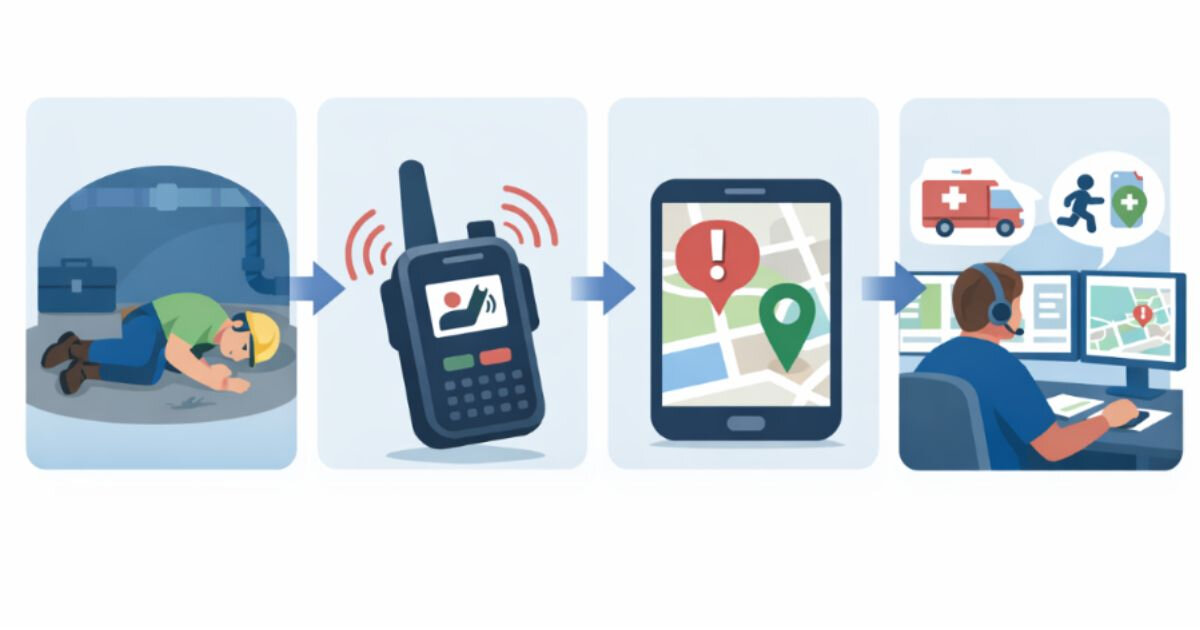
A worker collapses alone in a basement room. No one sees the fall nor hears a call for help. But the radio detects the impact and the still position. It sends a dispatch alert with the worker's location.
That's how man down two-way radios work when someone can't press a button. The tech watches motion and position constantly. It sends alerts when workers need help but can't ask for it. For anyone working alone or in risky jobs, this creates a safety net that works even when the worker passes out.
Here's what happens when these systems detect trouble, why they matter for lone workers, and how the tech stops false alarms while catching real ones.
What Man Down Detection Actually Does
Man down radios use sensors that track two things: motion and angle. When both sensors see certain patterns—no movement plus a flat position—the radio thinks the wearer has fallen.
The system measures, not guesses. Motion sensors detect sudden hits or complete stillness. Tilt sensors detect whether the radio is upright or lying flat. When readings match trouble patterns, the radio starts a timer.
That timer matters. Most systems wait 30 to 60 seconds before sending alerts. This stops false alarms when workers bend down, crouch for tasks, or set radios aside briefly. During the countdown, the radio makes a loud tone. If the worker is fine, they cancel it with a button press.
No cancel? The radio sends an alert. The message displays the worker's ID and location when GPS is enabled. Everyone watching that channel hears it right away. Bosses know exactly who needs help and where to find them.
How Tilt Sensors and Motion Detection Work Together
Tilt sensor two-way radios use two tools simultaneously. Neither one alone sends an alert. Both must detect problems before the system acts.
The motion sensor tracks movement continuously. It knows when you walk, climb, drive, or stand still. Sudden hits register differently than slow position changes. The sensor knows the gap between setting down a radio and dropping it during a fall.
The tilt sensor tracks the angle to the ground. Radios worn on belts or chest straps sit mostly upright during normal work. When someone falls, the radio angle changes a lot. The sensor catches this shift from upright to flat.
Modern systems like the MOTOTRBO R7 mix these sensors with smart math. The radio learns each worker's normal movement patterns over time. This cuts false alerts from activities that might briefly trigger one sensor but don't mean real trouble.
The Man Down (Fall Alert) feature uses a low-power-consumption sensor that tests itself when the radio powers up. This check makes sure the safety system works before workers start their shifts. If sensor tests fail, the radio alerts users right away.
Cold weather affects sensor speed. Canadian winters can slow the motion sensor response a bit. Quality fall detection radios fix for weather changes on their own. They keep working well from -30°C to +60°C.
Lone Worker Monitoring Beyond Fall Detection
Lone worker safety radios do more than detect falls. Some situations don't involve falling but still need a fast response. That's where extra watching comes in.
Lone worker timers need regular check-ins. Workers press a button every 30 minutes, one hour, or whatever time makes sense. Miss a check-in? The radio thinks something's wrong and sends an alert. This catches medical issues, threat situations, or any case where a worker can't respond.
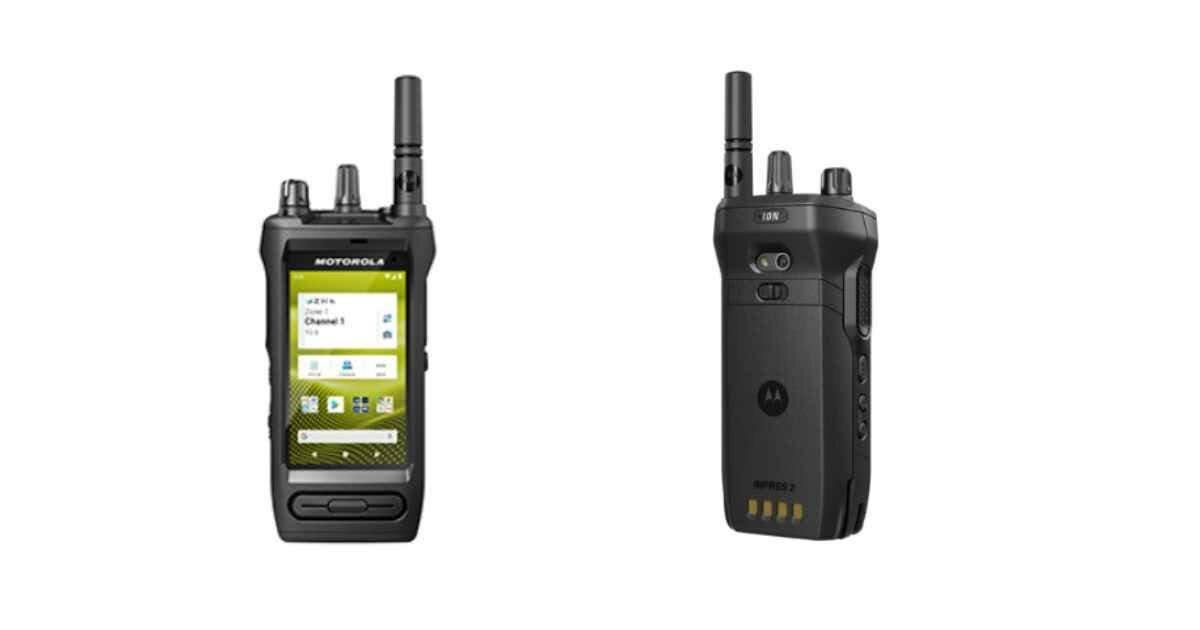
The MOTOTRBO Ion has timers you can set up alongside man down detection. Repair workers checking gear in remote areas use both. If they forget a check-in while focusing on repairs, the timer reminds them. If they pass out from chemical exposure or gear failure, the fall sensor activates automatically.
Some radios track location continuously via GPS. When an alert triggers, help can see the worker's location on a map within seconds. Systems like Fleet Connect mix GPS tracking with wide-area radio coverage. This gives teams good position data across Southwestern Ontario.
Indoor tracking works differently from GPS. Some sites use Distributed Antenna Systems with Bluetooth beacons to find workers inside buildings where satellite signals fail. The tech points to specific rooms or zones, helping response teams move through complex layouts fast.
Emergency Alert Systems That Work When Workers Can't
Emergency alert two-way radios have dedicated buttons for awake workers who need help fast. But man down detection covers cases where workers physically can't press buttons—passed out, trapped, or injured.
When man down alerts trigger, they override regular radio traffic. The emergency broadcast cuts into ongoing talks across the network. Everyone watching that system hears the alert right away, no matter which channel they use.
Some systems send alerts to multiple places at once. The radio network gets the emergency broadcast. Dispatch software logs the incident by itself. Text messages go to named bosses. This backup ensures someone responds even if the primary contact misses the initial alert.
Response time makes the gap between minor incidents and serious outcomes. The Canadian Centre for Occupational Health and Safety notes that workers without co-workers nearby to call for help face increased safety risks, making reliable communication equipment and check-in procedures essential for lone worker protection.
Recorded alerts help with incident reviews later. The system timestamps when the alert is triggered, who responds, and how long it takes to respond.
Preventing False Alarms Without Missing Real Emergencies
Quality man down two-way radios use adjustable sensitivity settings. Warehouse workers who often bend or crouch need different limits than office staff. Setting sensitivity to match work patterns cuts false positives.
Pre-alert warnings give workers time to cancel accidental triggers. That loud tone serves two purposes: it alerts the worker and prevents unnecessary emergency responses.
Regular testing catches problems before they become a problem. Monthly drills verify that sensors work, alerts reach the right people, and response procedures function as designed.
The Reality of Working Alone in Risky Conditions
Utility workers enter transformer vaults alone to check gear. Repair staff work overnight in empty sites. Security guards patrol large properties solo. Farm workers operate machinery in remote fields. Each scenario shares a common risk: help might not arrive quickly if something goes wrong.
Cell phones don't solve this problem well. Workers might not have time to dial during medical emergencies. Phones get left in lockers or vehicles. Coverage fails in basements, rural areas, and inside metal buildings. That's why two-way radios consistently outperform cell phones for industrial safety applications.
Lone worker safety radios stay with workers throughout their shifts. Radios clip to belts, attach to chest straps, or mount in vehicles. They work in areas where cell coverage fails. Battery life exceeds full shifts easily. And man down detection runs constantly without needing any action from the worker.
The tech catches situations workers might not report. Someone feeling chest pain might downplay symptoms. Chemical exposure can hurt judgment before workers realize they need help. Auto monitoring catches these situations when workers can't or won't call for help.
Regulations in many provinces now require lone worker protection under federal and provincial occupational health and safety laws. Innovation, Science and Economic Development Canada oversees radio equipment standards that support workplace safety communications.
Real-World Applications Across Industries
Manufacturing plants use man down radios for repair crews working near heavy machinery during off-shifts. If gear malfunctions and injures a worker, the radio detects the fall right away and alerts bosses. These communication systems help address coordination breakdowns that pose safety risks in complex manufacturing environments.
Healthcare sites equip security staff with radios that include man down detection. A guard confronting an aggressive visitor might be unable to press an emergency button if the situation escalates. Auto alerts bring backup when needed most. The same tech helps hospital security teams coordinate responses across multi-building campuses.
Construction sites spread workers across large areas. Someone working on an upper floor might fall without anyone nearby noticing right away. Alerts notify site bosses exactly where the incident occurred. These systems address the communication delays that frequently slow construction operations.
Oil and gas operations involve risky environments and remote locations. Workers exposed to hydrogen sulphide, confined spaces, or extreme weather need reliable emergency detection. Intrinsically safe radios like the MOTOTRBO R7 combine man down detection with certifications for use in explosive atmospheres.
Choosing Radios with Man Down Features
Not every radio comes with man down detection as standard equipment. Battery capacity affects how long monitoring runs reliably—look for models rated for 12+ hours, including man down detection. The MOTOTRBO Ion offers high-capacity batteries designed for extended safety monitoring.
Integration with dispatch systems matters for sites managing multiple lone workers. RF coverage studies help identify where signal strength supports reliable emergency alerting. Training requirements vary by model, from basic false alert cancellation to understanding check-in timers and GPS features.
Get Safety Monitoring That Works When It Matters
Automatic fall detection transforms radios from communication tools into active safety systems. The tech monitors workers continuously, detects emergencies automatically, and alerts responders even when workers can't call for help.
For operations with lone workers, risky conditions, or remote work sites, this capability addresses safety gaps that standard communication gear can't cover. The gap between having man down detection and not having it might determine whether someone gets help in time.
Contact us to evaluate man down capabilities for your team. We'll assess where workers face the highest risks, review how your current safety protocols handle lone-worker situations and recommend radio systems with monitoring features that match your actual working conditions.