


Streamlining the School Day with Two-Way Radio Systems
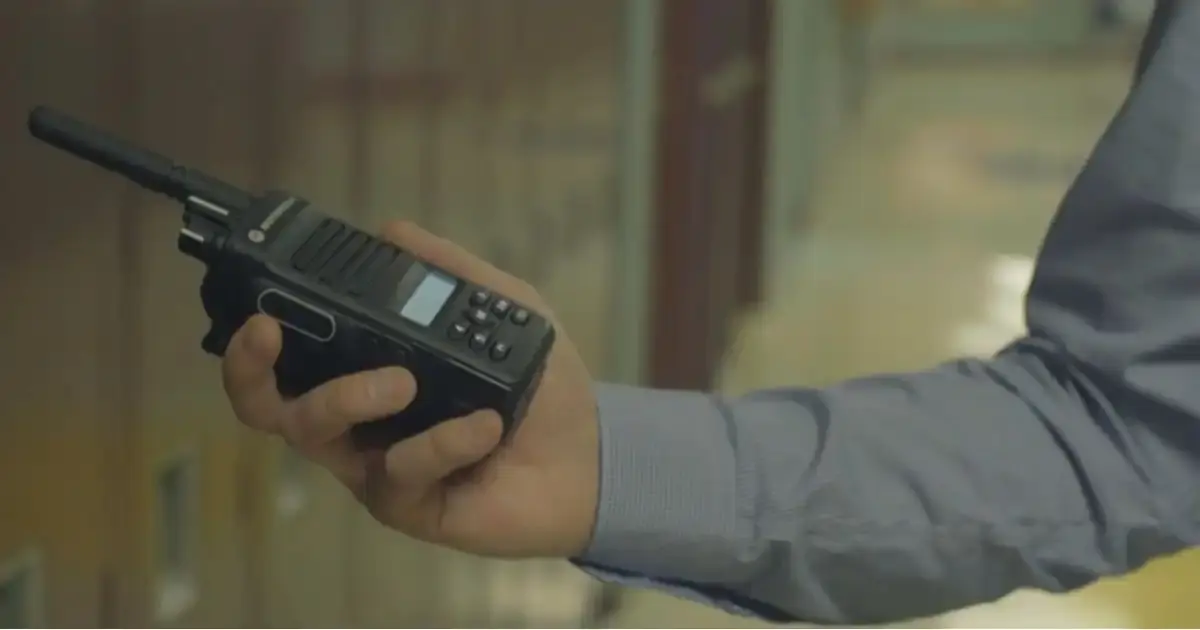
Every school principal in Ontario knows that morning sound. Radio static cuts through busy hallways as staff report which doors are ready. Teachers coordinate late buses. Office staff juggle dozens of tasks before the first bell rings.
What looks like a simple morning routine is one of the school's biggest problems. Schools move hundreds of students safely through daily transitions and manage dozens of tasks across multiple buildings at the same time.
After installing communication systems in school buildings for nearly 30 years, one pattern is clear. Schools that run smoothly aren't different because of staff or resources. They're different because teams can talk to each other quickly. That coordination keeps education flowing.
The Communication Web Behind Every School Day
Most parents think school operations are simple. Kids arrive, learn, eat lunch, learn more, then leave. Behind that simple view is a communication network that would challenge any business.
Building teams coordinate readiness across multiple areas. Office staff track attendance and manage late arrivals. They coordinate with bus drivers. Teachers handle classroom transitions and monitor recess. Food service teams coordinate meals with different lunch periods.
School experience across Ontario shows why old communication methods create problems. Office intercoms reach classrooms but not playgrounds. Cell phones don't work well in old brick buildings. Shouting across gyms doesn't work when you're managing 400+ students daily.
Professional two-way radio systems solve what other tools can't. They create instant coordination across every area where school operations happen.
Morning Operations: Where Communication Problems Hit Hard
School arrival shows why good communication systems matter for daily operations. With teacher retention challenges and workplace safety concerns affecting school settings, reliable daily communication becomes even more critical.
Between 8:00 and 8:30 AM, schools manage bus arrivals and parent drop-offs. They manage early student supervision and building prep. They position staff. All while keeping safety protocols and starting the day right.
Building teams communicate status. Which doors are unlocked and watched? Are heating systems working in all areas? Do overnight problems need immediate attention?
Office staff coordinate with bus drivers about delays. They track early students and talk with parents about changes.
Teachers arriving early to prep classrooms. They might cover playground supervision or hallway monitoring. Without good communication between teams, simple situations become big problems.
A delayed bus means office staff must quickly tell playground supervisors to expect more students. A heating problem in one wing needs immediate coordination between building and office teams. They might need to move classes.
Professional radio systems create instant coordination. They keep morning operations flowing smoothly instead of becoming crisis management.
How Radios Keep Outdoor Supervision Safe and Smooth
Playground supervision is one of education's hardest communication challenges. Multiple staff members spread across outdoor areas coordinate student safety. They manage small incidents and track timing. They handle constant situations that happen when hundreds of children play together.
Old approaches make staff shout across playgrounds. Or they walk long distances to share simple information. When a student needs medical help, equipment breaks, or weather changes fast, slow communication creates problems.
Two-way radio systems enable immediate coordination between playground supervisors, office staff, and building teams. A supervisor can instantly request first aid supplies without leaving their area. Building staff quickly report and fix playground equipment problems. Office staff can talk with outdoor staff about parent pickups, early dismissals, or weather decisions.
Staff can focus on students instead of running around looking for help.
Administrative Tasks: Beyond Crisis Communication
School office operations involve constant coordination between office staff, teachers, building teams, and outside contacts all day. Old communication methods work well for scheduled information sharing but struggle with real-time coordination.
Think about typical communication needs. Coordinating late student arrivals with teachers. Managing early dismissal requests. Tracking substitute teacher needs. Handling unexpected situations daily.
Two-way radio systems streamline office workflow. They create direct communication channels between key staff. Office workers can instantly confirm student locations with teachers.
Building staff can report completed maintenance without interrupting classroom instruction. Teachers can request office support without leaving students alone. This saves time and reduces stress for everyone.
Custodial Operations: Building Management During School Hours
Building teams manage operations that directly impact school quality all day. Keeping clean, safe learning spaces requires coordinating cleaning schedules around classroom instruction. Managing supply distribution. Addressing maintenance problems quickly.
Good building communication becomes crucial during school hours. Old approaches disrupt school activities. Knocking on classroom doors. Searching for office staff. Walking between buildings.
Students notice when adults interrupt instruction for operational issues. Teachers lose valuable instructional time managing building coordination.
MOTOTRBO radio systems let building teams coordinate well without impacting classroom operations. Teams can report completed cleaning tasks. Request supplies. Coordinate maintenance activities. Address building issues through direct communication with appropriate staff.
The result is building management that supports education rather than interrupting it.
Why Radios Are Essential During Lunch Hour Chaos
School lunch periods compress complex logistics into tight timeframes. Food service teams coordinate meal preparation and service. Office staff manage student transitions. Teachers coordinate supervision duties. Building teams manage cleanliness and address spills immediately.
Without good communication systems, lunch periods often become chaotic rather than relaxing breaks. Food service teams can't communicate readiness status well. Supervision staff struggle to coordinate student movement. Office staff handle multiple communication requests at once using poor tools.
Digital radio systems create a coordinated infrastructure. They transform lunch periods from logistical challenges into smooth transitions. Food service teams can communicate meal readiness instantly.
Supervision staff coordinate student movement well. Office teams handle multiple coordination tasks without creating communication bottlenecks. Teams work together better. Students get the calm break they need.
Dismissal Operations: Ending the Day Safely and Well
School dismissal presents the day's most complex communication challenge. Multiple transportation methods need coordination while keeping student safety and positive end-of-day experiences. Buses, parent pickup, walking groups, after-school programs.
Office staff coordinate with bus drivers about arrival times and route changes. Teachers manage classroom dismissal procedures while tracking which students use which transportation methods. Building teams prepare spaces for after-school activities. Supervision staff coordinate student movement through hallways and to appropriate dismissal areas.
Old communication methods create dismissal delays and confusion. Intercom announcements reach some areas but not others. Phone calls require staff to leave supervision duties. Shouting across busy areas doesn't work when managing large groups of excited students ready to go home.
These communication tools enable instant coordination that keeps dismissal procedures running smoothly. Office staff share transportation updates on the spot. Teachers can confirm student dismissal status without leaving their groups. Supervision staff coordinate student movement well across multiple areas.
The result is smoother operations that everyone can count on.
Beyond Better Communication
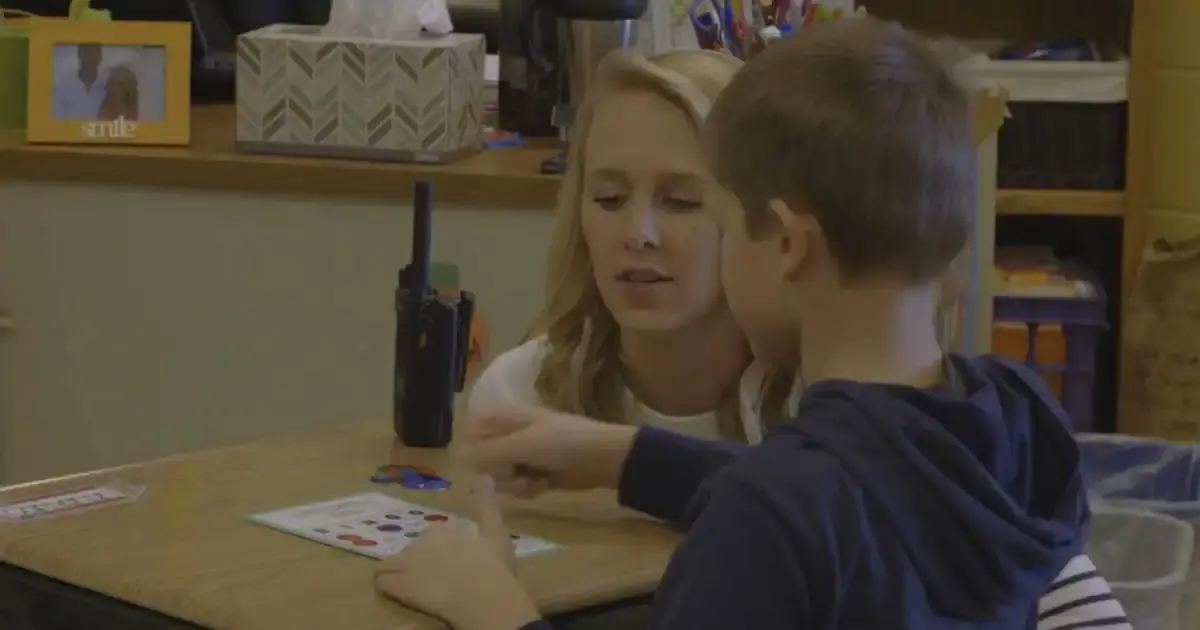
Schools that implement professional radio networks discover something unexpected. Better communication tools don't just solve communication problems. They reveal daily improvements that weren't visible before.
When teams can coordinate well, they notice patterns and develop solutions that enhance overall school quality.
Building teams identify maintenance patterns that prevent bigger problems. Office staff develop more efficient procedures for handling routine tasks. Teachers focus more on instruction when daily coordination happens seamlessly in the background.
Modern digital mobile radio systems designed for school settings offer valuable features for school operations. Clear audio cuts through noisy spaces. Battery life lasts all day. Emergency signalling provides critical safety capabilities.
Two-Way Radio Technology That Supports School Excellence
Professional radio systems for schools need specific capabilities that consumer radios simply can't provide. While communication barriers in school settings include language, cultural, and technological challenges, daily coordination requires immediate, reliable radio systems.
MOTOTRBO systems like the advanced R7 deliver the crystal-clear audio and rugged durability that school environments demand. With intelligent audio, noise suppression, Wi-Fi and Bluetooth connectivity, and long-lasting battery life, the R7 keeps staff connected through the busiest school days — whether they’re on the playground, in the office, or in basement maintenance areas.
Professional installation ensures radio coverage reaches all areas where school operations happen. Radio frequency (RF) coverage studies identify potential dead zones through building surveys that assess signal propagation in complex school layouts.
Training programs help staff use communication systems well for daily operations. Ongoing maintenance keeps systems functioning reliably throughout busy school years. This improves daily efficiency and ensures systems work when schools need them most.
Making School Communication Work Better
School settings need communication solutions that support learning rather than disrupting it. Professional two-way radio systems create the daily foundation that transforms school logistics from crisis management into smooth, predictable procedures.
The goal isn't just better radios. It's school settings where daily efficiency enables staff to focus on what matters most. Supporting student learning and development. When communication systems work seamlessly in the background, schools can concentrate on their primary mission of education.
For school administrators evaluating communication system upgrades, the question isn't whether professional two-way radio systems improve daily operations. The question is how much more schools can serve students and families when daily coordination finally works the way it should.
Ready to Transform Your School's Daily Operations?
MRC Wireless has been installing professional communication systems in school buildings for nearly 30 years. As an authorized Motorola Solutions channel partner, we provide complete radio solutions, RF coverage studies, MOTOTRBO systems, and complete installation support for school settings across Canada.
Contact us to discover how professional radio systems can streamline your school's daily operations and transform logistics from crisis management into smooth, predictable procedures.