


Keeping Drivers Connected in Remote Areas with Two Way Radios

You can't coordinate a highway delivery if your message cuts out halfway. Or call for help on a back road with one bar and no signal. That kind of risk just doesn't work for logistics teams or anyone driving through remote parts of Ontario.
Two-way radios offer something cell phones can't: consistent, direct communication built for the realities of rural Canada. In this post, we'll explore how two-way radios outperform cell networks in low-coverage areas, and why more fleets are turning to them for long-haul reliability.
The Gap Between Cell Coverage Maps and Reality
Cell phone companies love showing coverage maps filled with bright colours across Canada. But “coverage” often just means you might get a weak signal if you stand in exactly the right spot and hold your phone just right.
Drive Highway 11 through northern Ontario and the difference becomes clear. There are long stretches between Hearst and Kapuskasing with no service at all. The Canadian Shield blocks signals with dense rock formations, and dropped calls happen even when your phone shows two bars.
Cell providers may report coverage to over 99 percent of Canadians, but the CRTC’s 2025 Communications Market Report confirms what drivers already know. The lived experience is very different. Rural, northern and Indigenous communities still face major gaps. That leaves transport crews with hours of silence and no way to check in. For field teams, it means working without a reliable line to dispatch or backup.
Two-way radios aren’t limited in the same way. They use VHF and UHF signals that travel farther than cellular, especially through forests, hills and open terrain. With the right repeater, one setup can cover hundreds of square kilometres. That’s the kind of reach that would take multiple cell towers to match.
Why Two-Way Radios Work Better in Remote Areas
The difference comes down to physics and infrastructure design. Cell networks are built to handle thousands of users in cities, not to cover every back road in Canada. They use higher frequencies that provide fast data but don't travel as far, especially through obstacles.
Radio systems use lower frequencies that bend around hills, penetrate forests, and bounce off the atmosphere to reach much greater distances. VHF signals work especially well across the flat prairies and through the bush country where much of Canada's resource work happens.
This frequency advantage becomes particularly important in Canada's vast geography. Radio waves at these lower frequencies can travel hundreds of kilometres under the right atmospheric conditions, reaching areas that would require multiple cellular infrastructure investments to cover effectively.
Professional radio networks also use linked repeater systems. Key up your radio in Thunder Bay, and your message automatically routes through multiple sites to reach someone in Winnipeg or Toronto. The system handles all the technical routing—you just push the button and talk.
Systems like Fleet Connect create seamless coverage areas by linking repeaters across regions. A transport company can maintain communication from Alberta to Quebec without worrying about provincial boundaries or coverage gaps.
Real-World Reliability When It Counts
Ask any long-haul driver about communication reliability, and they'll tell you stories about being stranded with a dead phone and no way to call dispatch. Or missing delivery updates because calls kept dropping on remote highways.
Two-way radios eliminate these problems through simple, reliable design. No complex data protocols that fail when signals get weak. No network authentication that times out in poor coverage areas. Just direct, instant communication that works when you need it.
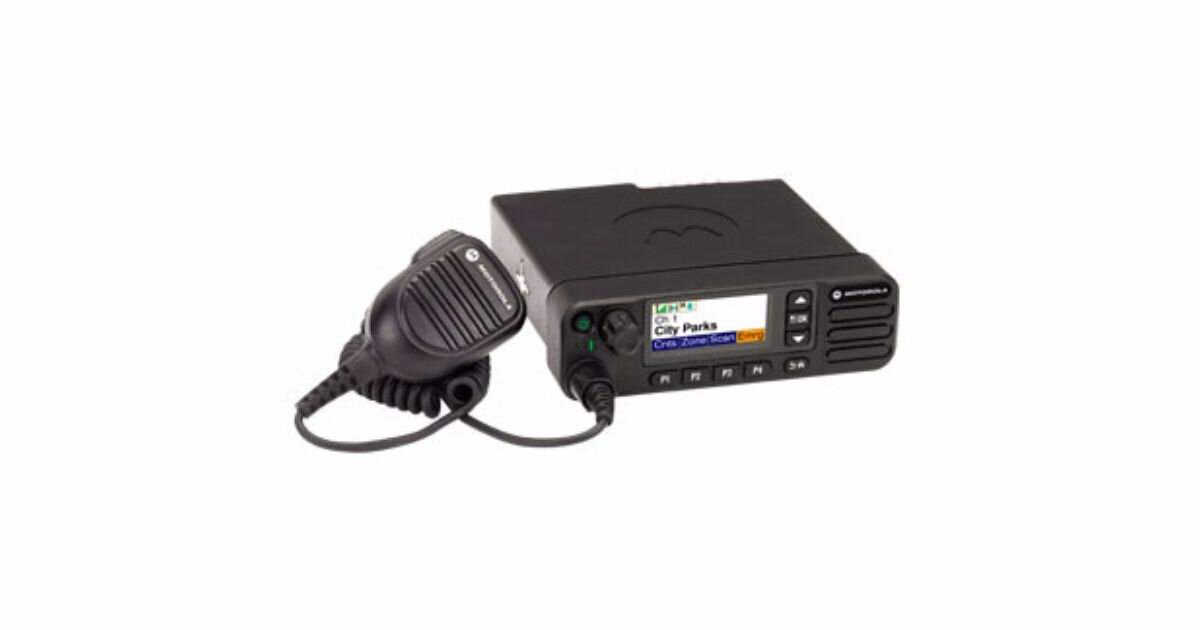
Professional radios like the MOTOTRBO Ion are built for extended use. They operate for entire shifts without charging and keep working in temperatures that would shut down consumer electronics. Vehicle-mounted units like the XPR 5550e run off truck power and provide full coverage range.
Radio systems also handle harsh Canadian weather better than cell phones. Ice storms might knock out cell towers, but radio repeaters with backup power keep operating. Heavy snow that disrupts data connections rarely affects radio voice quality.
Cost Control for Fleet Operations
Cell phone bills add up fast when you're running a fleet. Data overages, roaming charges, and monthly fees for every vehicle and driver create ongoing expenses that hurt your bottom line.
Radio systems work differently. You buy the equipment once and operate on licensed frequencies without per-call charges. A transport company with 50 trucks could save thousands per month compared to cellular plans for every driver.
The economics get even better for businesses operating in remote areas. Instead of hoping cell carriers will eventually build towers where you work, you can install radio infrastructure that provides exactly the coverage you need.
Many businesses use carrier-operated radio networks like Fleet Connect that provide wide-area coverage without building your own repeaters. These systems offer cellular-like coverage using radio technology, but with the reliability and cost structure that makes sense for fleet operations.
Battery Life that Actually Lasts
Anyone who's driven remote routes knows that battery life becomes critical when you can't easily recharge devices. Cell phones drain quickly when hunting for weak signals, often dying within hours in poor coverage areas.
Professional two-way radios are designed for all-day use. They can operate 18-24 hours with normal usage and include power-saving features that automatically adjust output based on signal conditions.
Vehicle installations solve the power problem entirely. Mobile radios run off truck electrical systems while driving and can operate for hours on backup power when parked. This gives drivers reliable communication throughout their entire route, not just until their phone dies.
Emergency Communication You Can Count On
Perhaps most importantly, radio systems provide reliable emergency communication when something goes wrong in remote areas. Mechanical breakdowns, medical emergencies, or severe weather can turn dangerous fast when you're alone on back roads with no cell coverage.
Emergency alert features automatically transmit distress signals with GPS coordinates when activated. These alerts reach both dispatch and nearby drivers simultaneously, enabling faster response than cellular systems could provide.
The wide coverage areas mean emergency calls reach help from very remote locations. A driver having mechanical problems on Highway 17 can reach assistance even from areas with no cell coverage.
Radio networks also stay operational during natural disasters when cellular infrastructure fails. When ice storms knock out power or floods damage equipment, radio systems with backup power continue working.
Getting Hands-Free Communication Right
Professional drivers need to stay focused on the road. That means being able to talk to dispatch or other drivers without fumbling with a phone or looking away from traffic.
Two-way radios make this easier. Drivers can use voice-activated settings or press push-to-talk buttons mounted on the steering wheel or gear shifter. These setups let them speak clearly while keeping both hands on the wheel.
Some systems go even further. Features like ignition sense power the radio on automatically when the truck starts. GPS updates location in the background, with no need for the driver to do anything. These small details reduce distractions and help fleet managers track movement in real time.
Choosing the Right System for Real Canadian Terrain
Not every team faces the same challenges. A snowplough crew in Northern Ontario runs into different problems than a delivery driver on Highway 401. That’s why your radio setup should match where you work, not just what fits the budget.
Start with terrain. VHF radios are a strong choice for open areas like highways, forestry roads, and remote job sites. Their longer wavelengths travel farther and cut through trees, hills, and uneven ground. If your crews spend most of their time in the bush or on back roads, VHF is likely the better fit.
UHF radios work better in mixed or urban settings. They cut through buildings and handle signal interference in industrial zones. If you’re running routes through towns, warehouses, or crowded areas, UHF might make more sense.
To find the right match, many companies start with an RF coverage study. This shows exactly where your signal will reach and helps you plan for repeater placement. It also helps you decide if a Fleet Connect system, an in-house setup, or a mix with Broadband PTT is the best route for your operation.
Planning it right from the start avoids gaps later. Your drivers stay connected in the exact places they need to—whether they’re running between provinces or working in northern mines.
Stay Connected When Cell Networks Fall Short
Two-way radios offer the reliable communication Canadian businesses need when cellular networks can’t keep up. From long-haul transport crossing provincial borders to field service crews deep in the bush, radios provide coverage where phones fail.
Professional radio systems are built for the realities of remote work—rugged geography, tough weather, and mission-critical response times. With wide-area coverage, consistent uptime, and predictable costs, they help mobile operations stay in control across every kilometre.
While cell phones handle the cities, two-way radios keep your team connected where it matters most. If your fleet operates in areas where “one bar” is all too common, it’s time to consider communication tools made for the road ahead.
Two-way radio systems are designed to work where cell phones fall short: reliably, clearly, and without delays. Get in touch with us to explore a system that fits your routes, terrain, and team—no matter where the job takes you.