


How to Solve On-Site Dead Zones with Cell Signal Boosters

Walk into most industrial buildings and you'll notice the same problem. Workers pull out their phones to check messages or call dispatch. Then they walk toward the windows, hoping for a better reception. That routine wastes time across every shift.
The issue gets worse during busy periods. A forklift operator needs to confirm a delivery change, but can't get through. A maintenance tech tries to pull up equipment specs, but the page won't load. Office staff miss important updates from the warehouse floor. These communication gaps create delays that ripple through entire operations.
Cell signal boosters solve this by amplifying weak cellular signals inside buildings, vehicles, and temporary work sites. They bridge the gap between tower coverage and where teams work. This keeps mobile devices functional where they'd otherwise fail.
In this post, we'll explain how these systems work, when they make sense, and what to consider before installing one.
Why Dead Zones Happen in the First Place
Cellular signals struggle to pass through solid materials. Steel frames block them. Concrete walls weaken them significantly. Metal roofing stops them almost completely. The thicker the material, the worse the problem gets.
Distance from towers compounds the issue. Rural job sites often sit kilometres from the nearest cell tower. Even with improved infrastructure, significant connectivity gaps remain across rural Canada. Signals start weak even outdoors. Add a building or vehicle, and connectivity drops to nothing.
Terrain like valleys, forests, and hills between your site and towers also interferes with transmission. Even areas with decent outdoor coverage turn into problem spots once you step inside.
This affects more than convenience. Crews lose access to digital work orders. Managers can't track deliveries. Safety protocols that rely on mobile check-ins fail when signals disappear.
How Cell Signal Boosters Actually Work
A cell signal booster has three main parts. An outside antenna captures weak signals from nearby towers. An amplifier strengthens those signals. An inside antenna sends the boosted signal throughout your space.
The system works both ways. It strengthens incoming signals, so phones receive better data and voice quality. It also boosts outgoing signals so calls and messages get back to the tower more reliably.
Professional boosters use better antennas than consumer models. They cover larger areas and handle more users at once without performance drops. Some systems include multiple inside antennas to spread coverage evenly across large facilities.
Installation has a big impact on your results. Mount the outside antenna high and clear of obstacles for better signal capture. Keep proper distance between outside and inside antennas. This prevents feedback that can shut down the entire system.
When Mobile Cell Phone Signal Boosters Make Sense
Mobile phone signal boosters fit inside vehicles and temporary structures. Construction trailers benefit from them. Service vans use them. Equipment cabs rely on them, too.
These systems pull weak signals from nearby towers and boost them inside small spaces. A crew working from a trailer on a remote site gains reliable connection without depending on spotty outdoor reception.
They're practical for construction managers in temporary offices, service techs working from trucks, and transport crews in low-coverage areas. Field supervisors directing teams from remote command centres also benefit.
Power needs stay manageable. Most mobile units run off vehicle electrical systems or rechargeable batteries. This makes them practical for operations that move often between sites.
Range limits do apply. A vehicle booster typically covers just the interior cabin, not the surrounding areas. For teams spread across an entire site, building-based systems provide better value.

Building Systems for Warehouses and Facilities
Permanent installations serve facilities where dead zones create ongoing operational problems. Warehouses struggle with spotty coverage. Manufacturing plants have inconsistent service. Multi-floor offices lose signals constantly.
Building boosters handle higher user capacity than mobile units. They support dozens of simultaneous connections across multiple carriers. This keeps entire teams connected rather than just a few key people.
Coverage areas scale with system design. A small facility might need just one inside antenna. Larger operations require multiple antennas distributed strategically to eliminate gaps.
These systems integrate into existing infrastructure without major changes. Installers mount outside antennas on rooftops or high poles for optimal signal capture. Inside antennas install in ceilings or high wall locations to maximize coverage.
Professional installation ensures compliance with Industry Canada regulations that govern signal amplification. Improper setup can create interference affecting nearby cellular networks. This potentially triggers enforcement action from carriers or regulators.
Real Limitations You Need to Know
Signal boosters strengthen existing signals. They don't create connection where none exists. If there's absolutely zero signal outdoors, a booster won't help because there's nothing to strengthen.
The stronger your outdoor signal, the better the boosted indoor signal will be. A booster can turn weak outdoor coverage into reliable indoor connectivity. But if the outdoor signal is nearly gone, even a powerful booster will struggle to deliver consistent performance.
Physical barriers still matter. A booster improves signal reach but can't remove losses caused by thick concrete or lots of metal structures. Large facilities may need multiple boosters or other solutions.
Carrier compatibility varies by frequency support. Most modern boosters support major Canadian carriers like Rogers, Bell, and Telus. Confirm compatibility before purchase to avoid problems.
Network congestion affects boosted signals just like direct tower connections. If the serving cell site is overloaded, boosting the signal won't speed up data during peak times.
Alternatives When Boosters Aren't Enough
Some situations exceed what signal amplification can reasonably solve. When outdoor signals are truly absent, other technologies fill the gap.
Distributed Antenna Systems (DAS) create in-building cellular networks using fiber or coax to distribute carrier signals. These systems cost more but provide consistent coverage regardless of outside conditions. They're common in hospitals, airports, and large commercial buildings where cellular connectivity is mission-critical.
Wi-Fi calling leverages existing internet infrastructure to carry voice and text traffic. If a facility has reliable internet but poor cellular coverage, enabling Wi-Fi calling provides connectivity without hardware investment.
Two-way radios remain the practical choice for many industrial operations. Unlike cell phones, professional radio systems don't depend on carrier networks. They provide instant push-to-talk communication across job sites regardless of cellular infrastructure.
For teams coordinating field operations, radio systems like MOTOTRBO Ion combine voice reliability with smart device capabilities. They maintain connectivity where cellular networks fail completely. This makes them better suited than boosters for remote or demanding environments.
Choosing the Right System for Your Operation
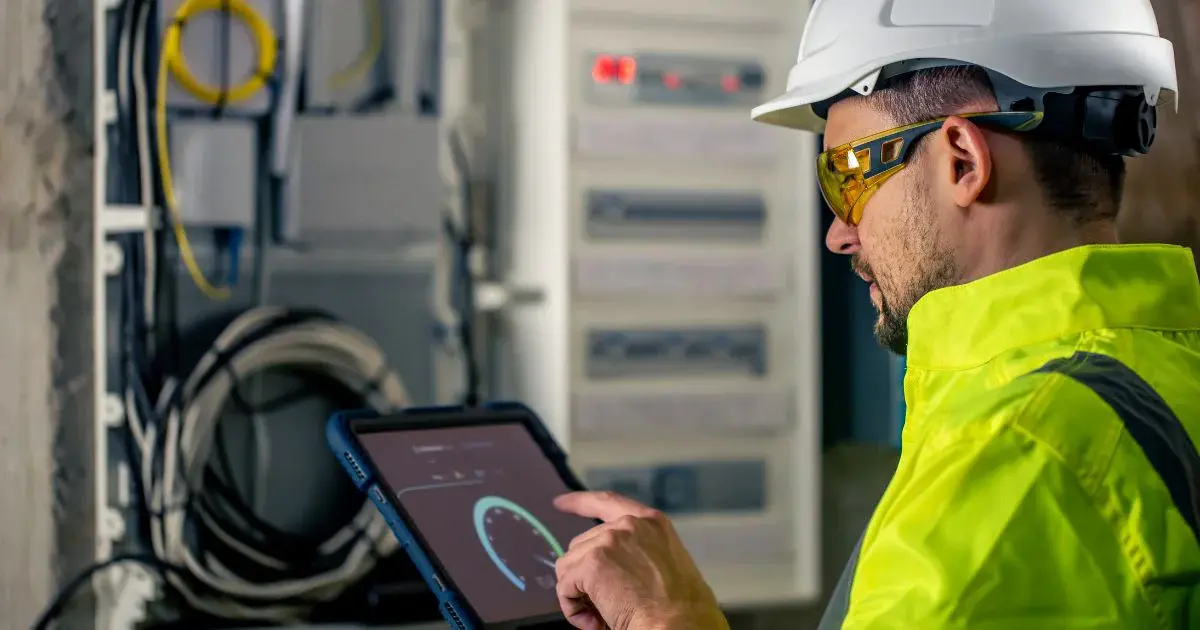
Start by measuring actual signal strength in problem areas. Apps like Network Cell Info show signal levels in dBm throughout your facility. This data shows whether boosting will solve the problem or if other solutions make more sense.
Consider user load carefully. A single-user vehicle booster costs far less than a multi-user building system. Match capacity to actual needs to prevent overspending while ensuring good performance.
Check carrier compatibility before buying. If your team uses multiple carriers, choose a booster supporting all relevant frequency bands. Single-carrier systems cost less but limit flexibility as needs change.
Look at coverage area needs realistically. Measure the space needing coverage and select a system rated for that area. Too-small boosters create spotty results. Too-large systems waste money without improving performance.
Factor in installation complexity from the start. Vehicle systems often work as DIY installs. Building systems typically need professional installation to ensure proper placement and regulatory compliance. Companies like MRC Wireless provide site assessments and professional installation across southern Ontario.
Practical Limits and Real Expectations
A properly specified and installed cell signal booster significantly improves connectivity in weak coverage areas. It won't match standing directly under a cell tower. But it makes phones functional where they previously weren't.
Expect better call quality with fewer drops. Faster data speeds in areas that previously struggled with basic web browsing. More consistent messaging delivery throughout your facility or vehicle.
Don't expect miracles in truly remote areas. If an outdoor signal barely registers, amplification provides limited benefit. In those situations, radio systems or satellite connectivity make more sense.
The technology works best as one component of a complete communication strategy. Pair boosters with professional radio systems for critical communications. Use them to enhance cellular connectivity for secondary tasks like email and scheduling.
Keep Teams Connected Where Coverage Falls Short
Dead zones create real operational problems. Missed calls and delayed messages waste time. Workers wandering around looking for a signal reduces efficiency significantly.
Cell signal boosters provide practical solutions when cellular infrastructure doesn't quite reach where teams work. They amplify weak signals into usable connectivity without requiring massive investment.
For mobile crews operating from vehicles or temporary sites, portable boosters restore connectivity in transit and at remote locations. For facilities struggling with indoor dead zones, building systems eliminate coverage gaps that slow operations.
The right system depends on your specific situation. Signal strength, user count, coverage area, and budget all factor into choosing equipment that solves your actual problem.
If weak cellular coverage holds your operation back, MRC Wireless can assess your site and recommend solutions that match your needs. We install cellular boosters, professional radio systems, and hybrid solutions across industrial, municipal, and commercial operations throughout Ontario.
Contact us to discuss your connectivity challenges and explore options that keep your teams reliably connected.