


How Digital Mobile Radio Improves Incident Response in Schools
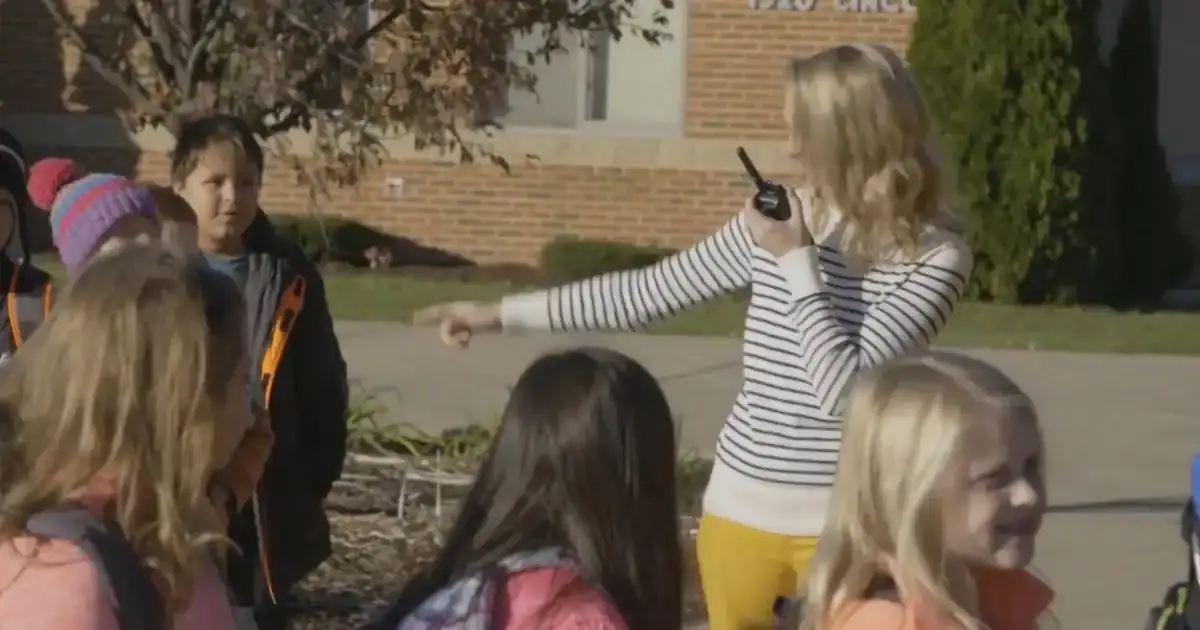
A student collapses during recess. The playground supervisor grabs her radio and hits the emergency button. Within fifteen seconds, the school nurse knows exactly where help is needed right away, the office has called 911, and the principal is clearing hallways for paramedics.
No fumbling with cell phones. No running to find someone. No confusion about location or next steps.
Schools handling hundreds of daily situations can't afford communication breakdowns when incidents turn serious and worry parents and disrupt learning for days. Digital mobile radio(DMR) systems create the instant coordination that keeps manageable situations from becoming chaotic ones.
Here's what matters most when every second counts: how DMR technology transforms incident response in school environments, from medical emergencies to behavioural situations that demand immediate professional coordination.
Why DMR Outperforms Cell Phones, Intercoms, and Landlines in Emergencies
Most schools still depend on a mix of communication tools. PA systems for building-wide announcements. Cell phones for individual conversations. Landlines for calling 911. The problem isn't that these don't work—it's that they don't work together.
Digital mobile radios follow a standard set by the European Telecommunications Standards Institute (ETSI). This gives schools clearer sound, wider coverage, and more useful features than older analogue radios. Think of DMR as replacing several different tools with one system. It handles voice, text, and emergency features all in one place.
DMR uses a feature called TDMA, which lets two different people talk at the same time on the same radio channel. It doubles your communication space without needing extra licenses.
The difference becomes obvious during actual incidents. While someone's trying to call the office on a busy phone line or fumbling with their cell phone, DMR users press one button and instantly connect with exactly who they need to reach. It's that simple, and that reassuring.
The DMR Features That Make the Biggest Difference in a Crisis
Instant Group Communication
When an incident happens, you need to reach multiple people immediately. DMR digital capabilities include instant push-to-talk individual and group calling with radio identification. Press one button and simultaneously alert your safety team, administrative staff, and custodial crew.
Unlike cell phones, where you'd need to make multiple calls or send several texts while your heart's racing, DMR group communication happens in real-time. Everyone hears the same information at the same moment. No playing telephone tag when a child needs help.
Clear Audio Even in Noisy Environments
School buildings can be noisy places. Cafeterias, gymnasiums, and playgrounds create background sound that makes communication difficult. DMR uses digital encoding to reduce background noise and improve overall sound quality, ensuring clear and intelligible communication even in noisy environments.
MOTOTRBO provides digital noise suppression and audio that stays clear even in noisy environments. The Intelligent Audio feature automatically adjusts radio volume up and down in response to the level of noise in the workplace. This means custodial staff can communicate clearly from the boiler room, and teachers can coordinate effectively during outdoor events.
Emergency Button = Immediate Help
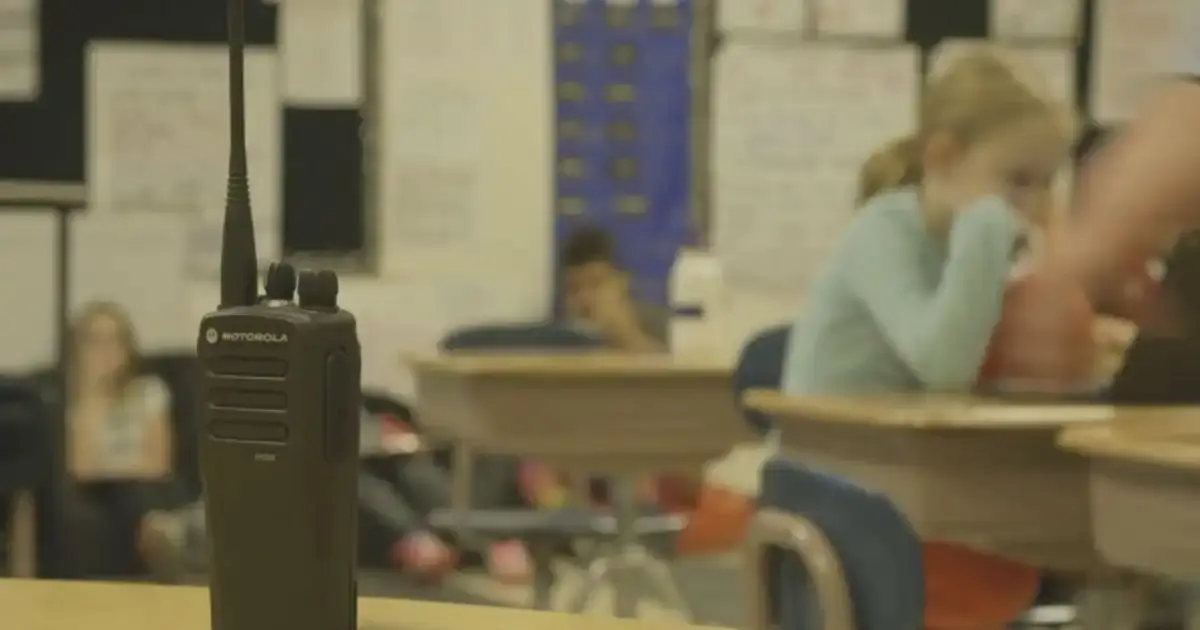
MOTOTRBO radios allow users to initiate an emergency call by pressing a preprogrammed emergency button (usually the orange one on the top). When the button is pressed, the radio can be configured to use higher microphone gain when transmitting, automatically PTT every few seconds, and produce an emergency search tone.
In a medical emergency, staff don’t have to look up phone numbers or scroll through menus. They just press a button and ask for help right away. One button press alerts the appropriate response team and provides the caller's radio identification automatically. Help arrives faster, and everyone stays calmer.
Silent Text Messaging for Lockdowns
Sometimes you can't talk out loud. During lockdown situations or when discretion is required, MOTOTRBO Text Messaging Services allows communication between radios when audio communication is simply not possible. Staff can send silent updates about their status or share critical information without alerting others nearby.
From Allergic Reactions to Lockdowns: How DMR Handles It All
Medical Emergencies
A student has an allergic reaction in the cafeteria. With DMR, the supervising teacher presses the emergency button. The school nurse, principal, and office staff all receive the alert simultaneously. GPS features can show exactly where help is needed. Text messaging provides patient information discreetly. Parents know their child gets immediate, coordinated care.
While U.S. data from the 2024 School Safety Trends Report shows that 99% of alerts are for everyday incidents such as medical and behavioural issues - often occurring in hallways, school yards, or parking lots - Ontario teachers report similar trends, with 80% saying violent incidents have increased and 66% noting they’ve become more severe since the pandemic.
Building Security Issues
Someone reports an unauthorized person on campus where kids are playing. Security staff use DMR to coordinate their response without alerting the potential threat. Group calling keeps administrators informed while individual calls manage specific areas. The system maintains contact with everyone involved without confusion.
Weather-Related Evacuations
Severe weather requires moving students quickly and safely. DMR allows coordination between classroom teachers, bus drivers, and administrative staff. Different groups can communicate on separate channels while maintaining overall coordination through group features.
Why DMR Works When Other Tools Fail
Building Penetration
DMR radios leverage digital technology to provide greater coverage and range, ensuring that emergency responders can stay connected even in remote or challenging environments. By utilizing repeaters and network infrastructure, DMR radios can extend coverage across a wider area.
Old brick school buildings that block cell phone signals don't stop DMR communications. The technology penetrates through walls, reaches basement areas, and maintains a connection across large campus grounds.
Battery Life That Lasts
Digital offers 40% longer battery life compared to analogue solutions. During extended incidents or power outages, DMR radios keep working when other communication methods fail. This reliability matters during situations that develop over several hours.
What Happens When Schools Actually Use Digital Radios
Schools with digital radio systems handle emergencies more smoothly than schools using older tools. Teachers feel more confident. Parents have more peace of mind. And when something does happen, everyone knows that help is just a button press away.
Professional radio installation reveals why this happens. DMR technology provides the reliability that critical situations demand. Unlike cell phones that depend on distant towers and can become overloaded during emergencies, DMR operates on dedicated frequencies with local repeaters.
Communication is one of the most critical components of any school safety strategy. It’s what connects visitor protocols, surveillance systems, and staff responses into one cohesive network, especially when time is tight and the situation is unfolding in real time.
Digital mobile radio fits naturally into these existing safety measures while providing the instant communication that makes everything else work better. Most importantly, it gives everyone the confidence that help is always within reach.
Integration With Existing School Systems
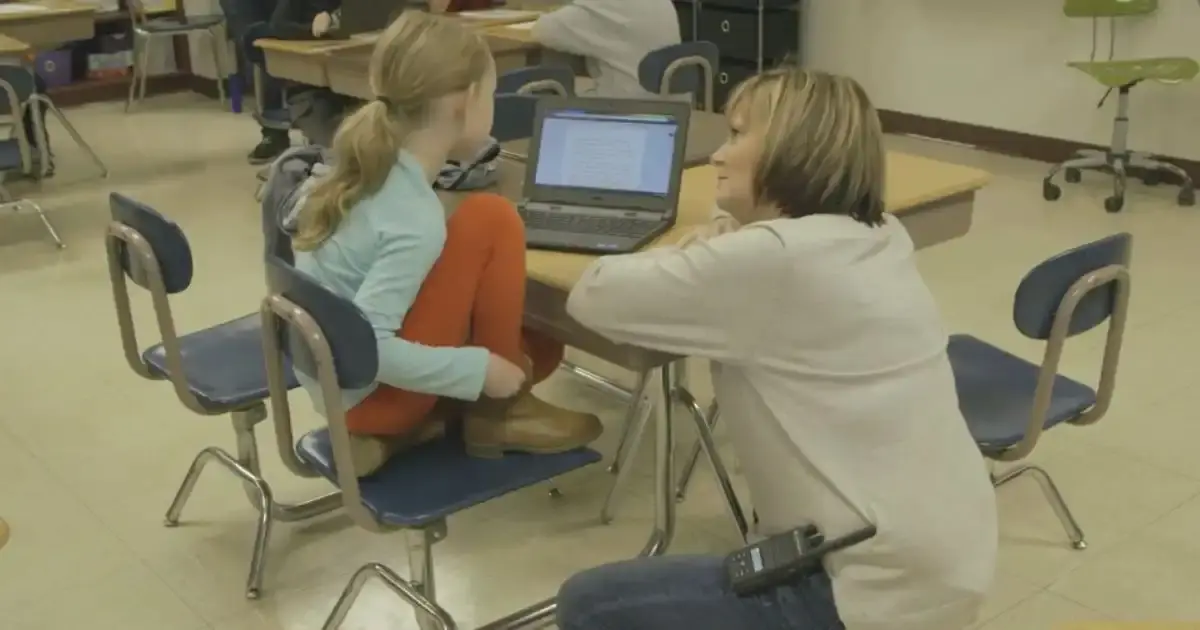
DMR doesn't replace everything schools already use—it enhances these systems. PA announcements can trigger through DMR networks. Security cameras integrate with radio communication. Fire alarm systems can automatically alert radio users.
Whether it's a school or a factory, MOTOTRBO devices make the workplace safer in environments that require seamless coordination and instant communication. Keep your people safe with the dependable emergency features of MOTOTRBO.
The technology works with existing protocols while adding capabilities that weren't possible before. Staff continue following established procedures while gaining better tools to execute those procedures effectively.
How to Set Up DMR Radios That Actually Work for Your School
Start by assessing current communication challenges. Where do incidents happen most often? Which areas have poor cell phone coverage? How long does it take to coordinate response teams during emergencies?
Consider the specific needs of your school environment. Elementary schools require different communication patterns than high schools. Rural campuses face different challenges than urban facilities. Campus size affects radio range requirements.
Systems like the MOTOTRBO R7 deliver the audio clarity and extended battery life that school environments demand. With advanced noise cancellation and reliable all-day battery performance, the R7 enables different teams to coordinate clearly during the busiest emergency situations.
Work with experienced radio professionals who understand school environments. Professional RF coverage studies identify potential dead zones through building surveys that assess signal propagation in complex school layouts. Proper system design considers building materials, campus layout, user training requirements, and integration with existing safety protocols.
Why Instant Communication Is the Foundation of School Safety
Canadian schools face increasing safety challenges, with surveys of teachers in Ontario showing that 80% of staff report more incidents since the pandemic, and 66% say these incidents are more severe. Professional communication systems help schools respond more effectively to these growing challenges.
Digital mobile radio technology provides schools with communication capabilities that match the reality of modern incident response needs. Fast, reliable, and designed for working together across multiple teams and locations.
When incidents happen—and they will happen—DMR ensures your team stays connected, informed, and capable of professional response. The technology works when other systems fail, reaches areas where cell phones don't, and provides the instant communication that keeps manageable situations from becoming something worse.
Ready to discover how digital mobile radio can strengthen your school's incident response capabilities? Let’s talk about how your school can implement a DMR system that works on day one.